You Won’t Believe What I Found Wandering Through Nakuru’s Wild Landscapes
Wandering through Nakuru, Kenya, feels like stepping into a living postcard. The air hums with birdsong, the lakes shimmer pink with flamingos, and every turn reveals a new slice of wild beauty. I didn’t plan an itinerary—just let the landscapes guide me. From rolling hills to soda lakes teeming with life, this journey was pure discovery. If you’re craving raw, unfiltered nature, Nakuru delivers in ways you never expected. There’s a quiet magic in moving slowly through a place where wildlife roams freely, where the land tells stories older than memory. This is not a destination to rush through, but one to breathe in, to absorb with all the senses. For women seeking renewal, reflection, and a deep connection with the natural world, Nakuru offers something rare: space to be still, to wander without purpose, and to remember the wonder of simply being alive on this Earth.
The Allure of Aimless Exploration in East Africa
There is a profound difference between visiting a place and truly experiencing it. In an age where travel itineraries are packed with timed entries and guided stops, the simple act of wandering—of allowing curiosity to lead the way—has become a radical form of engagement. Nowhere is this more rewarding than in East Africa, where vast landscapes pulse with life and rhythm. Nakuru, nestled within Kenya’s Great Rift Valley, offers a sanctuary where structured routes give way to organic discovery. Here, exploration is not measured in checklists, but in moments: the sudden flash of a kingfisher’s wings, the distant call of a vervet monkey, the warmth of sunbaked stone under your palm.
What makes Nakuru exceptional is its ecological diversity within a relatively compact region. Within a single day, one can move from the shores of a saline lake crowded with thousands of flamingos to highland forests alive with bird song, then descend into a volcanic crater that feels like another planet. This variety invites spontaneity. There are no rigid rules for how to experience it. You may begin with a visit to Lake Nakuru National Park, only to find yourself drawn off the paved path by a dirt trail leading into acacia groves. You might pause to watch a family of warthogs dart across an open plain, or sit quietly on a rocky outcrop as the light shifts across the valley. These unplanned pauses often become the most memorable parts of a journey.
For many women in their thirties to fifties—often balancing family, work, and personal well-being—travel can feel like another task to complete. But aimless exploration offers a different promise: the freedom to slow down, to listen, to reconnect with oneself. In Nakuru, the rhythm of nature becomes a guide. The land does not rush. The birds do not follow schedules. There is permission here to simply be present. Walking without a fixed destination allows the mind to quiet, the breath to deepen, and the spirit to expand. It is in these unhurried moments that clarity often emerges—not through effort, but through surrender to the landscape’s gentle pull.
Lake Nakuru: Where Water Meets Wild Wonder
Lake Nakuru is the heart of the region’s natural spectacle, a shallow alkaline lake renowned for its breathtaking flocks of lesser flamingos. At certain times of year, the shoreline appears painted in pink, as hundreds of thousands of these elegant birds gather to feed on the abundant spirulina algae. The sight is surreal—like something from a dream—where the boundary between water and sky blurs, and the air trembles with the soft rustle of wings. The lake’s color shifts with the light and season: pale rose at dawn, brilliant magenta under midday sun, and dusky gold as evening falls. It is a living canvas, constantly reimagined by wind, weather, and water.
Yet Lake Nakuru is far more than a birdwatcher’s paradise. The surrounding national park is one of Kenya’s most successful sanctuaries for endangered rhinos. Both black and white rhinoceroses roam the grasslands and rocky outcrops, protected within a fenced sanctuary that allows for close, safe observation. Seeing a rhino in the wild—its massive form moving with quiet dignity across the savannah—is a humbling experience. These ancient creatures, survivors of millennia, remind us of nature’s resilience and fragility. Leopards, though elusive, also inhabit the rocky escarpments, and baboon troops are frequently seen along the lakeshore, their social dynamics playing out in full view.
The lake’s ecosystem is delicate, shaped by fluctuating water levels and mineral content. In recent years, changes in rainfall and alkalinity have affected flamingo populations, causing some to migrate temporarily to other Rift Valley lakes. This natural variability underscores the importance of conservation and long-term monitoring. Visitors are encouraged to observe wildlife from designated viewpoints and to follow park guidelines that minimize human impact. Binoculars and quiet patience are the best tools here. The true magic of Lake Nakuru lies not just in its visual splendor, but in the intricate balance of life it supports—a reminder that beauty and biodiversity are deeply intertwined.
Menengai Crater: A Walk on the Edge of the Earth
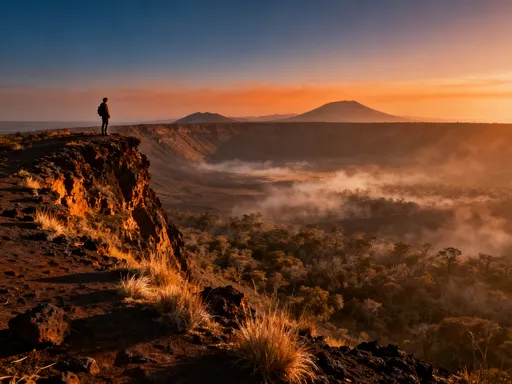
Just north of Nakuru town lies one of the most dramatic geological features in East Africa: the Menengai Crater. Formed over 200,000 years ago by a massive volcanic eruption, it is one of the largest calderas in the world, stretching approximately 12 kilometers across and plunging nearly 500 meters deep. Standing at the rim, the view is staggering—a vast, bowl-shaped depression covered in dense scrub forest, with steam vents occasionally rising from geothermal activity below. The landscape feels primordial, untouched by time, as if you are peering into the Earth’s own memory.
Hiking into the crater is an adventure that rewards the intrepid. A well-marked trail descends from the rim, winding through native vegetation including wild olives, euphorbias, and thorny acacias. The descent takes about 30 to 45 minutes, depending on pace, and the terrain can be uneven, so sturdy footwear is essential. As you descend, the temperature cools, and the sounds of the city fade, replaced by the rustle of small mammals and the calls of resident birds. The crater floor is home to diverse wildlife, including bushbucks, porcupines, and numerous reptile species. Guided tours are available, but independent hikers who follow safety guidelines can also enjoy a peaceful, self-led exploration.
One of the most striking aspects of Menengai is its sense of isolation and stillness. Despite its proximity to a growing urban center, the crater feels like a world apart. The volcanic soil supports hardy plant life, and the occasional sight of a grazing herd of goats tended by local herders adds a quiet human element to the wilderness. Conservation efforts are ongoing to protect the crater’s ecosystem from illegal logging and unregulated tourism. Visitors are encouraged to stay on marked paths, avoid littering, and refrain from lighting fires. This is a place to tread lightly, to respect the raw power of nature that shaped it, and to marvel at the forces that continue to shape our planet.
Hyrax Hill and Prehistoric Echoes in the Landscape
Just a short drive from the city center, Hyrax Hill offers a different kind of wonder—one rooted in human history rather than natural spectacle. This archaeological site, first excavated in the 1930s by renowned paleoanthropologist Mary Leakey, reveals evidence of human habitation dating back over 2,000 years. The name comes from the small, rodent-like mammals often seen darting among the rocks, but the true treasures here are the stone foundations of ancient homes, ceremonial platforms, and burial cairns that speak to a sophisticated early society. Walking through the site, one feels a deep connection to those who once lived in harmony with this land, drawing sustenance from its lakes, forests, and fertile soils.
The views from Hyrax Hill are expansive, stretching across Nakuru and the Rift Valley beyond. On clear days, the shimmer of Lake Elementaita can be seen to the south, and the silhouette of the Mau Escarpment rises in the west. It is a place of quiet contemplation, where the layers of time seem to fold into one another. The museum on-site, though modest, houses artifacts including pottery, iron tools, and bone implements, offering insight into the daily lives of the people who once called this place home. Interpretive panels explain the significance of the findings, making the experience accessible even to those unfamiliar with archaeology.
What makes Hyrax Hill especially meaningful is the way it bridges natural and cultural history. The same volcanic forces that created Menengai also shaped the fertile soils that supported early agriculture. The lakes that attract flamingos today once provided fish and water for ancient communities. This continuity—of land, water, and life—creates a powerful sense of belonging. For modern travelers, especially women seeking depth and meaning in their journeys, Hyrax Hill offers a rare opportunity to reflect on humanity’s place within the natural world. It is not a site of grand monuments, but of quiet resilience, reminding us that our stories are part of a much larger narrative written in stone, soil, and time.
Hidden Trails Beyond the Tourist Map
While Lake Nakuru and Menengai attract the majority of visitors, the true soul of the region often lies off the beaten path. Scattered across the countryside are footpaths that connect forest edges, seasonal wetlands, and small-scale farms, offering intimate encounters with both nature and local life. These trails are rarely marked on official maps, but they are known to residents and can be accessed with respectful inquiry. Walking them feels like stepping into a quieter, slower version of Kenya—one where children wave from school paths, farmers tend their shambas (smallholdings), and guinea fowl scatter at the sound of approaching footsteps.
One such route winds through a patch of indigenous acacia woodland, where the scent of dry bark and wild herbs fills the air. These trees, with their flat canopies and thorny branches, are iconic symbols of the East African savannah. They provide shade for wildlife, nesting sites for birds, and gum arabic, a natural resin used in food and medicine. In the rainy season, the understory bursts into life with wildflowers—purple jacarandas, orange flame lilies, and delicate orchids clinging to tree trunks. Butterflies flit between blooms, and the air hums with bees. These moments of unexpected beauty are the rewards of wandering without a fixed destination.
Another trail follows a seasonal stream toward the edge of Lake Elmenteita, part of the UNESCO-listed Kenya Lake System in the Great Rift Valley. This lesser-known lake is a haven for pelicans, great white egrets, and migrant waterfowl. The path passes through grasslands where zebras graze and kori bustards—Africa’s heaviest flying birds—strut with regal calm. There are no entrance gates, no ticket booths, just open access and the quiet privilege of observation. These hidden routes do not offer the drama of a lion sighting or the spectacle of a flamingo cloud, but they provide something equally valuable: a sense of discovery, of being a guest in a landscape that does not perform for tourists, but simply exists in its own right.
Nature’s Rhythm: Sunrise, Storms, and Silent Valleys
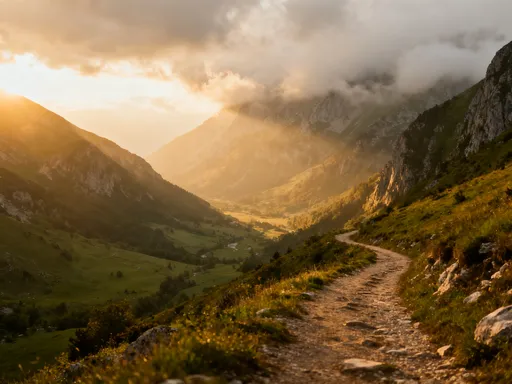
In Nakuru, time is not measured by clocks, but by light, weather, and the movement of animals. The rhythm of the day shapes the experience of the land in profound ways. At sunrise, the valley is bathed in soft gold, mist rising from the lakes like breath. This is the best time to walk—cool, quiet, and alive with activity. Birds begin their morning chorus, hippos grunt as they return to water, and the first rays catch the pink feathers of flamingos, turning them into living flames. By midday, the sun climbs high, and the land shimmers with heat. Many animals retreat to shade, and the pace slows. This is a time for rest, for sipping tea under a thatched roof, for watching lizards dart across sunbaked stones.
But the afternoon often brings drama. Thunderstorms roll in quickly, dark clouds gathering over the escarpment, followed by sudden downpours that drum on rooftops and send rivulets racing down red earth roads. These storms are brief but powerful, cleansing the air and bringing the scent of petrichor—the earthy aroma of rain on dry soil. Afterward, the world feels renewed. Grass glistens, birds sing with renewed vigor, and rainbows sometimes arch over the crater rim. Then comes evening, when the light turns amber and long shadows stretch across the plains. This is the hour of stillness, when the valley seems to hold its breath. The last calls of hornbills echo, and the first stars appear above the treetops.
To travel in Nakuru is to learn this rhythm, to align one’s pace with the land. It is not about capturing the perfect photograph, though there are countless opportunities for that. It is about presence—about feeling the cool highland breeze on your skin, hearing the distant bark of a baboon, noticing how the color of the lake changes with the sky. These sensory experiences create lasting impressions, deeper than any image. They remind us that nature is not a backdrop, but a living, breathing presence. For women seeking a journey that nurtures the soul, this attentiveness—to light, to weather, to silence—can be profoundly healing.
Why Nakuru Belongs on Every Nature Lover’s List
Nakuru is more than a destination; it is a testament to the richness of East Africa’s natural heritage. Within a relatively small area, it offers an astonishing variety: alkaline lakes teeming with birdlife, volcanic craters of immense scale, archaeological sites whispering of ancient lives, and hidden trails that lead to quiet moments of connection. It is a place where ecological contrasts coexist—where flamingos feed in waters too harsh for fish, where rhinos find refuge near growing towns, where prehistoric history meets modern conservation. This diversity, packed into one accessible region, makes Nakuru uniquely rewarding for travelers who value depth over spectacle.
But beyond its beauty, Nakuru carries a quiet responsibility. These landscapes are not static; they are dynamic, vulnerable, and deeply interconnected. Conservation efforts—led by park authorities, local communities, and international partners—play a crucial role in protecting endangered species and preserving ecosystems. Visitors contribute simply by choosing responsible tourism: staying on trails, respecting wildlife distances, supporting local guides, and minimizing waste. Every footstep can be a gesture of care.
For women who travel not just to see, but to feel and understand, Nakuru offers a rare gift: the chance to wander with intention, to move lightly upon the Earth, and to witness the quiet miracles of nature. It reminds us that wonder is still possible, that wild places still exist, and that connection—with land, with history, with oneself—is always within reach. In a world that often feels hurried and fragmented, places like Nakuru stand as gentle invitations to slow down, to look closely, and to remember what it means to belong to this planet. Let your journey begin not with a plan, but with a single step into the unknown.