You Won’t Believe What Boracay’s Hidden Corners Feel Like
Boracay isn’t just powdery sand and sunsets—it’s a world of immersive theme zones waiting to be lived, not just seen. I walked every stretch, from buzzing streets to silent shores, and discovered how each area tells its own story. Whether you crave energy or escape, Boracay shapes your trip through distinct vibes. Let me take you where the island truly comes alive—beyond the postcards.
The Heartbeat of Boracay: Station 2 as the Social Pulse
At the core of Boracay’s tourism experience lies Station 2, a vibrant hub where energy flows as freely as the island breeze. This central zone is where culture, cuisine, and community converge in a dynamic rhythm that defines the island for most visitors. Lined with colorful shops, open-air cafes, and beachfront bars, Station 2 offers immediate access to everything travelers seek—convenience, connection, and constant activity. It’s the place where first-time visitors orient themselves and where returning guests often return, drawn by the comforting familiarity of its pulse.
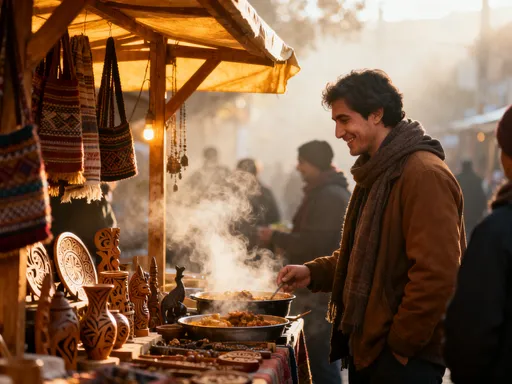
What makes Station 2 so magnetic is its walkability and diversity. Within a short stretch along White Beach, you’ll find Filipino comfort food served on plastic stools beside upscale seafood grills with ocean views. Street performers add live music to the evening air, while massage huts offer quick shoulder rubs between sunbathing sessions. The foot traffic remains steady from morning until late at night, creating a safe and lively atmosphere that appeals especially to solo travelers and small groups. Because of its central location, most island shuttles, tricycles, and boats pass through here, making it an efficient base for day trips and explorations.
Yet with popularity comes crowds. Peak season—particularly December through April—can make Station 2 feel packed, especially during sunset hours when visitors gather along the shoreline. To enjoy this zone without sensory overload, consider timing your visits strategically. Mornings are ideal for quiet walks and coffee by the water, when vendors are just setting up and the sand is still cool. Late afternoon offers a sweet spot before the dinner rush, perfect for swimming in calmer currents. If you plan to dine or bar-hop, arriving before 6:30 PM helps you secure seating before prime sunset spots fill up.
For families and travelers seeking balance, Station 2 provides structure without sacrificing spontaneity. Many accommodations here range from mid-tier hotels to well-maintained guesthouses, offering reliable amenities and friendly service. The area’s strength lies in its inclusivity—there’s something for every budget and travel style. While it may lack the seclusion of more remote corners, Station 2 remains essential to understanding Boracay’s social heartbeat. It’s not just a place to stay; it’s a place to participate in the island’s living culture.
Chill Mode Activated: Why Station 1 Feels Like a Dream
If Station 2 is Boracay’s lively living room, then Station 1 is its serene bedroom—a stretch of coastline designed for relaxation, romance, and recharging. Located at the northern end of White Beach, this area trades crowds for calm, replacing constant chatter with the gentle rhythm of waves and rustling palms. The beach here feels wider, cleaner, and more expansive, with powdery white sand that seems to glow under the early sun. Because access is slightly more limited and accommodations tend to be higher-end, the crowd thins noticeably, making it a favorite among couples, honeymooners, and travelers seeking peace.
The atmosphere in Station 1 is shaped by its luxury resorts and lower density of vendors. Unlike the bustling pathways of Station 2, this zone features spacious beachfronts where lounge chairs are generously spaced and service is discreet yet attentive. The absence of loud music and persistent touts allows for true immersion in the natural environment. Many guests spend hours reading under cabanas, taking slow swims in the gentle surf, or simply watching the horizon shift with the light. It’s not uncommon to see women walking barefoot with towels draped over their shoulders, sipping fresh coconut water while gazing at the sea—pure, unforced tranquility.
Sunrise lovers will find Station 1 unmatched. While much of the world watches Boracay’s famous sunsets, the early morning hours here offer a quieter kind of magic. As dawn breaks over the Sulu Sea, the sky transitions from deep indigo to soft gold, casting a warm hue across the sand. Fewer people are awake to witness it, giving those who rise early a sense of exclusivity. The air is cool, the breeze gentle, and the silence almost sacred. This is the perfect time for a long walk, meditation, or a quiet breakfast served on a private terrace.
Access to Station 1 is straightforward but requires a short ride from the码头 or main road, which naturally limits foot traffic. While this adds a layer of privacy, it also means fewer casual dining options along the beachfront. Most meals are enjoyed within resort restaurants or nearby boutique cafes, which often emphasize fresh, locally sourced ingredients. Though prices here are generally higher, the trade-off is space, service, and serenity. For women traveling solo or with close companions, Station 1 offers a safe, soothing environment where you can truly slow down and reconnect with yourself.
Local Soul: The Authentic Side in Station 3 and Yapak
Beyond the polished postcard views of White Beach lies a different Boracay—one rooted in daily life, family routines, and Filipino warmth. Station 3 and the adjacent village of Yapak offer a grounded counterpoint to the tourist-centric zones, revealing the island’s authentic character. Here, the pace slows further, the buildings become more modest, and the streets echo with the sounds of children playing, roosters crowing, and neighbors chatting over garden fences. This is where many local families live, work, and celebrate, and where visitors can experience Boracay not as a destination, but as a home.
Station 3, though still part of the White Beach corridor, feels noticeably less commercialized. While a few guesthouses and eateries cater to budget travelers, the area is dominated by residential homes and small community spaces. You’ll see laundry hanging in backyards, motorbikes parked outside family-run sari-sari stores, and elders sitting under trees with handheld fans. The beach itself is narrower and less manicured than in other stations, but it remains clean and functional, used more by locals than tourists. This is not a place for luxury—it’s a place for realness.
Just inland, the village of Yapak deepens this sense of authenticity. Away from the coast, narrow roads wind through clusters of wooden and concrete homes, leading to modest markets, a small chapel, and neighborhood eateries known as carinderias. These family-run kitchens serve hearty Filipino dishes—think adobo, sinigang, and grilled fish—with prices so low they feel generous. Sitting on a plastic stool with a plate of steaming rice and fried egg, you’re not performing tourism; you’re sharing a meal with the community. Locals are often curious but respectful, offering shy smiles or simple greetings in broken English.
For thoughtful travelers, respectful exploration is key. The best way to engage is through small, genuine interactions—buying snacks from a roadside vendor, asking permission before photographing homes, or learning a few phrases in Tagalog. Mornings are when Yapak feels most alive, as families prepare for school and work, and market stalls set up their fresh produce. Avoid loud behavior or intrusive photography; instead, let connections happen naturally. Visiting this area isn’t about checking a box—it’s about broadening your understanding of Boracay as a living, breathing place, not just a vacation spot.
Nature’s Playground: Wild Escapes Around Willy’s Rock and Diniwid
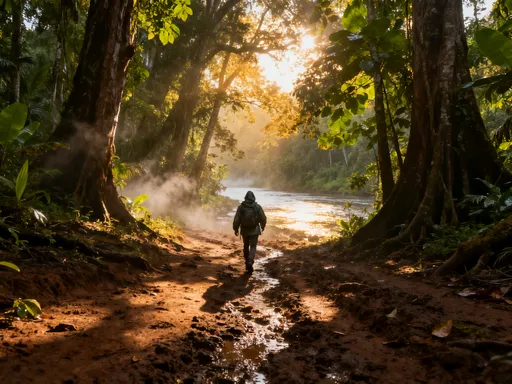
Just a short walk north of Station 1, Boracay reveals a wilder, more intimate side—one shaped by nature rather than tourism. The trail leading to Willy’s Rock and Diniwid Beach offers a refreshing contrast to the wide-open sands of White Beach, guiding visitors through a narrow passage flanked by limestone cliffs and dense greenery. This route feels like a secret passageway, transporting you from the polished world of resorts into a quieter, more primal landscape. The air grows cooler, the sounds of the crowd fade, and the scent of salt and soil rises with each step.
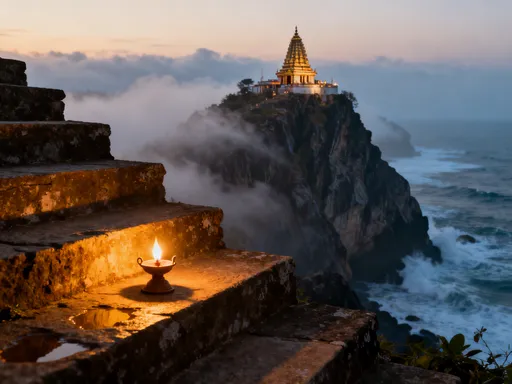
Willy’s Rock, a towering coral formation rising from the sea, is both a natural landmark and a cultural symbol. A short climb up its weathered steps rewards visitors with a panoramic view of the northern coastline—turquoise waters, swaying palms, and the distant curve of White Beach. The viewpoint is small, often shared with a few other travelers, but the sense of discovery remains strong. Many leave small offerings—flowers or candles—at the shrine atop the rock, a quiet nod to local spiritual traditions. Whether you pause for prayer or simply for breath, this spot invites reflection.
Descending from Willy’s Rock, the path leads to Diniwid Beach, a secluded cove tucked behind cliffs and accessible only by foot. Here, the sand is softer, the water clearer, and the energy distinctly peaceful. With only a handful of cottages and a single beachfront restaurant, Diniwid resists commercialization, preserving its charm as a hidden retreat. The waves lap gently against the shore, and coconut trees provide natural shade, making it ideal for reading, napping, or quiet conversation. Snorkeling is possible here during calm seasons, with small reef patches hosting colorful fish just offshore.
What makes this area special is its sensory richness. The crunch of coral underfoot, the cry of seabirds overhead, the cool shade of overhanging foliage—these details create a deeper connection to the island’s ecosystem. Families with older children may enjoy the short hike as a mini-adventure, while solo travelers often find solace in the quiet. Because it’s less accessible, Diniwid sees fewer crowds, even during peak months. Visiting early in the day ensures maximum privacy and the best lighting for photographs. This is Boracay not as a resort, but as a living landscape—one that rewards curiosity and quiet presence.
Sunset Theater: The Daily Magic of White Beach’s West-Facing Curve
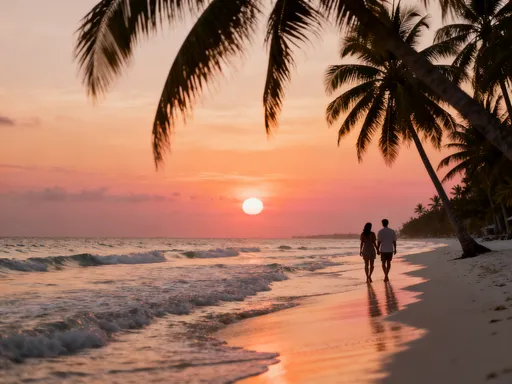
No moment on Boracay feels quite as communal as sunset along the west-facing arc of White Beach. As the sun begins its descent, the entire shoreline transforms into an open-air theater, where sky, sea, and people come together in a shared ritual. The air grows golden, the water shimmers like liquid metal, and a hush falls over the crowd—only to be broken by soft applause as the sun dips below the horizon. This daily spectacle draws thousands each year, and yet, it never loses its emotional power.
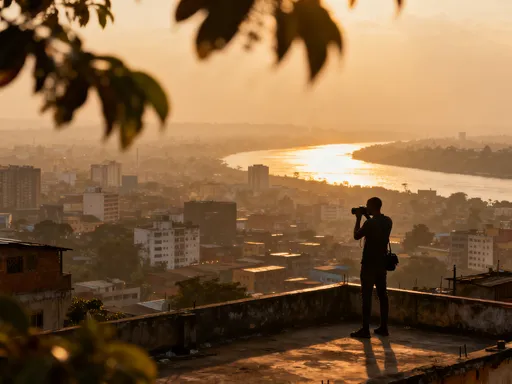
The magic lies in the combination of natural beauty and human connection. Live music from beach bars adds a soft soundtrack—acoustic guitar, island rhythms, or gentle pop covers—while couples hold hands, friends raise glasses, and solo travelers sit in quiet contemplation. The beachfront comes alive with activity: photographers adjusting tripods, vendors selling sarongs and drinks, children chasing waves one last time before dark. Bare feet sink into warm sand, and the breeze carries the scent of grilled seafood and coconut oil. It’s a moment of collective pause, a reminder of beauty that transcends language.
While the entire stretch of White Beach offers sunset views, certain spots provide better vantage points. Near the center of Station 2, the open shoreline gives unobstructed sightlines, but it’s also the most crowded. For a more comfortable experience, consider reserving a seat at a beachfront bar with elevated seating or cabanas. Many establishments offer ‘sunset packages’ that include drinks and reserved loungers, ensuring you don’t have to arrive an hour early to claim space. Alternatively, walking slightly north toward Station 1 reduces density while maintaining visibility.
Timing is essential. The sun sets around 6:00 PM year-round, so arriving between 5:15 and 5:30 PM allows enough time to settle in without missing the show. Cloud cover can enhance the colors, scattering hues of pink, orange, and purple across the sky—so even overcast evenings can be stunning. While photos are tempting, don’t let your phone screen become a barrier. Sometimes, the most meaningful memory is simply being present, watching nature’s daily masterpiece unfold in silence.
Beyond the Shore: Cultural Touchpoints in Ativik and Boracay Art District
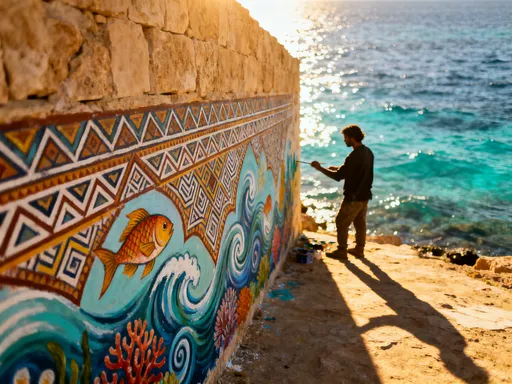
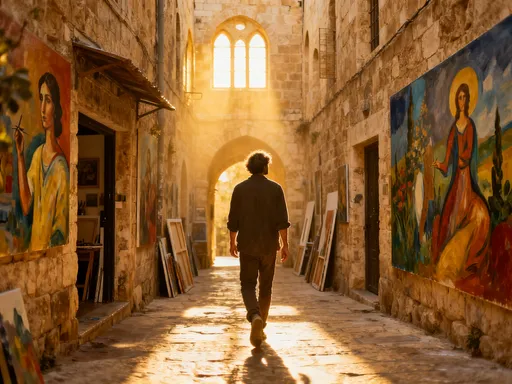
While Boracay is best known for its beaches, a quiet cultural renaissance is unfolding beyond the shoreline. In neighborhoods like Ativik and the emerging Boracay Art District, local artists are redefining the island’s identity through murals, sculptures, and small galleries. These spaces offer a refreshing alternative to the sun-and-sand narrative, inviting visitors to engage with Boracay’s creative spirit. Here, art isn’t confined to white walls—it spills onto streets, driftwood installations, and repurposed fishing boats, turning everyday objects into expressions of heritage and hope.
The Boracay Art District, though still in its early stages, has become a gathering point for painters, sculptors, and performers. Small studios welcome visitors with open doors, where you can watch artists at work or purchase handmade pieces directly. Themes often reflect island life—fishing boats, marine life, ancestral patterns—rendered in vibrant colors and textured mediums. Some installations are interactive, like bamboo wind chimes that echo in the breeze or mosaic turtles built from recycled tiles, symbolizing environmental awareness. These works don’t just decorate—they communicate.
Ativik, located inland, hosts community-driven projects that blend art with sustainability. Local women’s cooperatives run workshops where guests can try weaving, natural dyeing, or pottery using traditional methods. These experiences go beyond souvenirs; they foster connection and understanding. Participating in a two-hour weaving session, for instance, gives insight into the patience and skill behind Filipino craftsmanship. Proceeds often support local families, making your visit a form of quiet advocacy.
What sets these cultural spots apart is their authenticity. Unlike mass-produced trinkets sold in tourist markets, the art here tells personal stories. There’s no pressure to buy, no scripted performances—just real people sharing their passions. For women seeking meaningful travel experiences, these zones offer depth and inspiration. They remind us that beauty isn’t only found in landscapes, but in human expression. By visiting and supporting these spaces, you contribute to a more balanced, respectful tourism culture—one that values creativity as much as comfort.
Choosing Your Zone: Matching Your Mood to Boracay’s Theme Areas
Boracay’s true magic lies not in any single beach or attraction, but in its remarkable variety. Each zone offers a different rhythm, a unique way to experience the island’s soul. The key to a fulfilling trip is not seeing everything, but choosing the right spaces for your needs. Whether you’re seeking connection, calm, culture, or adventure, Boracay has a corner that will resonate with your current chapter of life.
For those craving energy and convenience, Station 2 remains the ideal base. Its walkability, dining options, and lively atmosphere make it perfect for first-time visitors, solo travelers, or small groups who want to stay engaged. If peace and privacy are your priorities, Station 1 delivers with its spacious beaches, luxury accommodations, and sunrise serenity. It’s especially suited for couples, women on self-care retreats, or anyone needing space to breathe.
Travelers drawn to authenticity will find meaning in Station 3 and Yapak, where daily life unfolds without performance. These areas aren’t polished, but they’re real—places to slow down, observe, and connect with local culture in a respectful way. Meanwhile, nature lovers and explorers will cherish the quiet coves of Diniwid and the scenic trail to Willy’s Rock, where discovery happens step by step.
And for those who seek more than relaxation, the cultural pockets of Ativik and the Boracay Art District offer enrichment and inspiration. These emerging zones prove that the island is evolving, embracing creativity alongside comfort. Sunset on White Beach remains a must-see, but how you experience it—whether from a crowded bench or a quiet cabana—depends on your chosen rhythm.
In the end, Boracay is not one place, but many. It’s a mosaic of moods, each valid, each beautiful in its own way. The most memorable journeys aren’t about ticking off landmarks, but about finding the spaces where you feel most like yourself. Let the island guide you—not just to its shores, but to your own stillness, joy, and wonder. That’s where the real magic begins.