What Nobody Tells You About Eating in Gdansk
You know what? Gdansk isn’t just about pretty cobblestone streets and amber shops—its food scene is wild. But here’s the thing: not all specialty dining experiences are worth the hype. I went in craving pierogi and fresh Baltic fish, only to hit some serious pitfalls. Tourist traps, misleading menus, and overpriced “authentic” meals nearly ruined my trip—until I learned what to avoid. Let me save you the trouble. This coastal gem on Poland’s northern shore offers more than postcard views; it promises a culinary journey shaped by centuries of trade, seafaring tradition, and cultural fusion. Yet beneath the charming facades of Old Town eateries lies a landscape where authenticity can be as elusive as a clear Baltic summer day in November. Understanding what truly defines Gdansk’s dining culture—and how to navigate its hidden traps—is key to unlocking a richer, more rewarding travel experience.
The Allure of Gdansk’s Culinary Identity
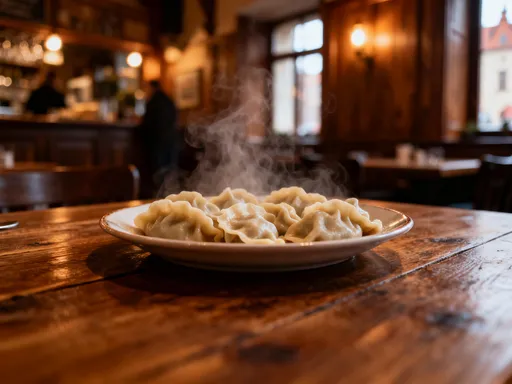
Gdansk’s food culture is a living archive of its history, shaped by its position as a major Baltic port and a former member of the Hanseatic League. For centuries, merchants from Germany, the Netherlands, Scandinavia, and Russia brought spices, preservation techniques, and cooking styles that blended with native Polish traditions. This convergence created a distinctive culinary identity—one that values hearty flavors, preserved ingredients, and seafood at its core. Dishes like smoked eel, herring in cream sauce, and dark rye bread reflect both the maritime climate and the necessity of storing food through long winters. The city’s proximity to the sea ensures that fish remains central, while agricultural influences from the surrounding Pomeranian region contribute root vegetables, wild mushrooms, and dairy products like twaróg, a fresh cheese often used in homemade pierogi.
What draws food lovers to Gdansk is not just variety, but the sense of continuity—meals that feel rooted in place and time. A bowl of zupa rybna, or fish soup, simmered with carrots, leeks, and potatoes in a rich fish stock, evokes generations of fishermen’s families warming themselves after cold days at sea. Similarly, the tradition of smoking fish over alderwood fires persists in local smokehouses, preserving both flavor and heritage. Even desserts carry historical weight: miodownik, a honey cake layered with spiced pastry, dates back to medieval times when Gdańsk was renowned for its amber and honey trade. These elements combine to create a dining experience that feels deeply authentic—so much so that many visitors assume every restaurant in the Old Town delivers this level of tradition.
Yet this very appeal becomes a double-edged sword. Because Gdansk’s culinary reputation has grown, especially among international tourists seeking “real” Eastern European flavors, many establishments now cater more to expectation than authenticity. The desire to offer a “taste of history” often results in stylized versions of traditional dishes—visually appealing but lacking depth. Some menus list regional specialties without sourcing local ingredients, relying instead on centralized suppliers. Others serve reheated frozen pierogi or pre-packaged sauces that strip away the soul of the meal. The irony is that the very qualities that make Gdansk’s cuisine special—its connection to the sea, its artisanal methods, its seasonal rhythms—are the ones most easily lost in tourist-oriented venues.
Understanding this tension is crucial. Gdansk’s culinary identity isn’t just about what’s on the plate—it’s about how food is made, who makes it, and where it comes from. When those elements are missing, even the most beautifully presented dish can feel hollow. That’s why setting high expectations is natural, but unchecked enthusiasm can lead to disappointment. The city still holds genuine culinary treasures, but they require discernment to find. Recognizing the foundations of Gdansk’s food culture helps travelers distinguish between performance and practice, between a meal designed for Instagram and one shaped by generations.
The Tourist Trap Effect: When Charm Turns Costly
Step into Gdansk’s Old Town, and it’s easy to fall under the spell of its dining scene. Lantern-lit terraces spill onto cobblestone squares, waiters in folk-inspired aprons hand out laminated menus in multiple languages, and the scent of grilled meat mingles with the salty breeze from the Motława River. It all feels charming, inviting—and completely safe. But appearances can be deceiving. Many of these picturesque restaurants operate less as cultural ambassadors and more as profit-driven enterprises that prioritize volume over value. They know tourists want authenticity, so they package it attractively: wooden interiors, red-and-white tablecloths, and menu items with names like “Royal Hanseatic Platter” or “Fisherman’s Feast.” What they don’t advertise is that the pierogi are mass-produced, the “smoked” fish was thawed an hour ago, and the prices are inflated by 50 to 100 percent compared to local standards.
One of the clearest indicators of a tourist trap is menu language. While multilingual menus are helpful, an exclusively English or heavily translated menu often signals a lack of local patronage. Genuine neighborhood spots typically have Polish menus with limited English translations—sometimes just a few key words or a separate sheet. When every dish is described in elaborate detail in perfect English, complete with romanticized origin stories (“crafted by our grandmother’s secret recipe”), skepticism is warranted. These narratives are often marketing tools rather than reflections of reality. A restaurant claiming to serve “centuries-old recipes” but employing a rotating staff of seasonal workers from abroad is unlikely to uphold genuine culinary traditions.
Price disparities further expose the gap between appearance and reality. A meal that costs 80 PLN (about $20) in the Long Market might cost 35 PLN ($9) just three blocks away in a residential area. The difference isn’t just in the food—it’s in the overhead. Tourist-zone restaurants pay premium rents, hire multilingual staff, and invest in ambiance, all costs passed on to diners. Worse, portion sizes and ingredient quality often don’t justify the markup. A “premium seafood platter” may contain a few small shrimp, some canned mussels, and a slice of smoked salmon that could have come from any supermarket. The presentation, however, is impeccable—arranged on slate boards with lemon wedges and edible flowers, designed to impress rather than nourish.
Real experiences confirm these patterns. One traveler recounted ordering “house-made duck pierogi with forest mushrooms,” only to recognize the unmistakable texture of frozen dough and the scent of preservatives. Another shared a photo of a “traditional Baltic fish stew” that looked strikingly similar to dishes served in连锁 tourist restaurants across Poland. These aren’t isolated incidents—they reflect a systemic issue. When restaurants rely on appearance and hype rather than quality, the result is a hollow imitation of authenticity. The danger isn’t just financial; it’s emotional. After traveling far to experience a new culture, discovering that your meal was a carefully constructed illusion can leave a lasting sense of disillusionment.
Decoding the Menu: Hidden Pitfalls in Translation
Beyond pricing and location, one of the most subtle yet impactful challenges in Gdansk’s dining scene is the language of the menu. For non-Polish speakers, navigating a translated menu can feel like deciphering a puzzle—one where the clues are vague, the terms are ambiguous, and the stakes are a satisfying meal. Words like “traditional,” “homemade,” or “regional specialty” sound promising, but they carry no standardized meaning. In many cases, these labels are applied loosely, if not outright misleadingly. A dish described as “slow-smoked Baltic herring” might use fish that was industrially processed and shipped from elsewhere, then warmed in a microwave. “Freshly made pierogi” could mean dough prepared off-site and delivered frozen, then boiled on demand.
The issue is compounded by seasonal realities. Gdansk’s access to truly fresh seafood depends heavily on fishing cycles, weather, and market availability. Outside peak summer months, the supply of local fish diminishes, and some species become scarce or expensive. Yet menus rarely reflect these fluctuations. A restaurant may continue listing “daily catch” options even when no fresh fish has arrived, substituting with frozen or imported alternatives without disclosure. Tourists, unaware of seasonal patterns, assume “catch of the day” means exactly that—only to taste the unmistakable flavor of freezer burn. Similarly, wild mushrooms, a prized ingredient in many regional dishes, are foraged in autumn. Seeing them on a spring menu should raise eyebrows, yet few visitors question their presence.
Another red flag is the use of vague or poetic descriptions. Phrases like “flavors of the coast” or “taste of old Gdańsk” sound evocative but provide no concrete information. They allow chefs to interpret the dish freely, often resulting in generic preparations that lack regional specificity. A plate labeled “Baltic medley” might contain no locally sourced ingredients at all—just a mix of common vegetables and farmed fish. Even when menus list specific components, cross-contamination with non-traditional elements can dilute authenticity. For example, pierogi served with sour cream and chives may seem traditional, but the addition of Parmesan or truffle oil—a modern fusion twist—shifts the dish away from its roots.
To navigate this landscape, travelers must learn to read between the lines. Look for menus that specify sourcing: “fresh herring from Hel Peninsula,” “rye bread baked daily on-site,” or “pierogi filled with farmer’s market potatoes.” These details suggest transparency and pride in ingredients. Handwritten daily specials, often in Polish with limited translation, are another positive sign—they indicate flexibility based on what’s available, not just what sells. Additionally, asking simple questions can yield revealing answers. Inquiring whether the fish is fresh or frozen, or if the pierogi dough is made in-house, often prompts honest responses. Staff at authentic restaurants typically welcome such questions; those at tourist traps may deflect or offer vague replies.
Location, Location, Location: How Proximity to Attractions Affects Quality
Geography plays a decisive role in the quality of dining experiences in Gdansk. Restaurants located within 100 meters of major attractions—Long Market, St. Mary’s Church, Neptune’s Fountain—are under constant pressure to serve large numbers of transient visitors. Their business model depends on turnover, not loyalty. As a result, many prioritize speed and visual appeal over culinary excellence. Kitchens are often streamlined for efficiency, relying on pre-prepared ingredients and simplified recipes. Service can be rushed, especially during peak lunch hours, and staff may have little time to engage meaningfully with guests. The atmosphere, while photogenic, can feel impersonal—a backdrop for meals rather than a destination in itself.
In contrast, eateries just a short walk from the main squares often tell a different story. Venture toward neighborhoods like Śródmieście Południowe or Wrzeszcz, and you’ll find family-run establishments where locals gather for weekday lunches and weekend dinners. These spots rarely appear on tourist maps, but they thrive on reputation and consistency. Their menus are simpler, focusing on a few well-executed dishes rather than an extensive array of “specialties.” Prices are lower, not because quality is compromised, but because overhead is reduced. There’s no need for decorative lighting or multilingual staff—just good food, friendly service, and a sense of community.
Observing the crowd can be a powerful diagnostic tool. A restaurant filled with Polish speakers during lunchtime is likely serving something worth trying. Notice how people order: locals often choose daily specials, known as “dania dnia,” which are typically cheaper and made with fresh, seasonal ingredients. The energy of the staff also provides clues. In authentic spots, servers move with purpose but not panic, taking time to explain dishes or recommend pairings. In tourist-heavy venues, the pace is frantic, interactions are transactional, and mistakes—like wrong orders or delayed service—are more common.
Another indicator is the presence of regulars. In a true neighborhood restaurant, you’ll see familiar faces—older couples, office workers, families—who greet the staff by name. This loyalty isn’t built overnight; it’s earned through consistent quality and fair pricing. These establishments don’t need flashy signs or online promotions; their reputation sustains them. By choosing such places, visitors gain more than a good meal—they gain access to the rhythm of local life. A simple plate of kotlet schabowy (breaded pork cutlet) with mashed potatoes and beet salad, served in a modest dining room with checked tablecloths, can offer a deeper connection to Gdansk than any five-course tasting menu in a riverside tourist trap.
The Seafood Illusion: Freshness Isn’t Always Guaranteed
No discussion of Gdansk’s cuisine is complete without addressing its most celebrated promise: fresh Baltic seafood. The city’s identity is intertwined with the sea, and travelers arrive expecting to taste the ocean in every bite. Restaurants capitalize on this expectation, advertising “daily catch,” “fresh from the dock,” and “local fishermen’s bounty.” Yet the reality is more complex. While Gdansk does have access to Baltic fish like herring, flounder, and cod, the supply is neither endless nor always fresh. Fishing is regulated, weather-dependent, and subject to seasonal closures. During winter months, when storms make fishing dangerous, the volume of fresh catch drops significantly.
Some restaurants respond honestly, adjusting their menus to reflect availability. Others maintain the illusion, substituting fresh fish with frozen imports or farmed alternatives. A fillet of “Baltic cod” might actually come from Norway or Iceland, shipped in bulk and stored in freezers. Smoked eel, a regional delicacy, is often sourced from industrial producers rather than local smokehouses. Even shellfish, which are not native to the Baltic Sea, sometimes appear on menus—imported from distant waters and passed off as local. Without clear labeling or visible sourcing practices, diners have little way to verify claims.
So how can travelers identify truly fresh seafood? One reliable method is to visit Hala Targowa, the city’s central market hall. There, fishermen and vendors display their daily catch on ice, allowing customers to see, touch, and smell the fish before purchase. The same principle applies to restaurants: those that showcase their seafood openly—on ice counters, in glass displays, or listed on chalkboard menus with origin details—are more likely to be transparent. Another sign is interaction with the kitchen. In smaller, authentic eateries, chefs may come out to present the catch or explain preparation methods. This level of engagement suggests pride and accountability.
Additionally, freshness isn’t just about origin—it’s about preparation. A well-cooked frozen fish fillet can still be delicious, but it should be priced accordingly. The problem arises when restaurants charge premium prices for subpar ingredients while marketing them as exclusive and rare. Travelers should also be cautious of overly elaborate preparations. While sauces and garnishes can enhance flavor, they can also mask the taste of lower-quality fish. Simpler dishes—grilled, pan-fried, or baked with minimal seasoning—offer a clearer indication of quality. If the fish tastes clean, firm, and mild, it’s likely fresh. If it’s rubbery, bland, or carries a faint ammonia smell, it’s best to avoid it—and avoid the restaurant in the future.
Finding the Real Deal: How to Spot Authentic Specialty Dining
Identifying authentic dining experiences in Gdansk requires a shift in mindset—from passive consumer to active observer. The first step is to look beyond aesthetics. A rustic interior with antique fishing nets and vintage maps may look authentic, but it can be decor rather than evidence of tradition. More telling signs include the language spoken, the menu format, and the clientele. Restaurants where staff converse in Polish, take time to explain dishes, and show genuine interest in their guests’ experience are more likely to be locally rooted. Handwritten menus, especially those changed daily, suggest responsiveness to ingredient availability and culinary care. Printed, laminated menus with elaborate graphics often indicate a static, commercial operation.
Online reviews can be helpful, but they must be interpreted wisely. English-language reviews on platforms like TripAdvisor often reflect tourist expectations, which may not align with authenticity. A five-star rating for “great atmosphere and friendly staff” doesn’t guarantee good food. More reliable insights come from Polish-language reviews on Google Maps or local forums. Look for comments about ingredient quality, portion size, and consistency. Phrases like “freshly baked bread,” “homemade pierogi,” or “fish from the morning market” are strong indicators. Conversely, complaints about “frozen food” or “overpriced for what you get” should raise caution.
Another effective strategy is to start small. Before committing to a full meal, visit Hala Targowa or a local bakery to sample regional products. Try a slice of smoked fish on dark rye bread, a cup of warm żurek (sour rye soup), or a fresh pastry from a neighborhood piekarnia. These experiences provide a baseline for flavor and quality, helping you recognize authenticity in restaurants later. Street food stalls and market vendors often offer the most honest representation of local tastes—unfiltered by presentation or pricing strategies.
Finally, embrace the unexpected. Some of the best meals in Gdansk happen in unassuming places: a small café with a daily lunch special, a family restaurant with no website, or a bar that serves excellent bar snacks alongside craft beer. These spots don’t rely on tourism; they rely on locals. By choosing them, visitors move beyond the curated experience and into the heart of the city’s culinary life. It’s not always convenient, and the menu may not be in English, but the reward is real—a meal that tastes not just good, but true.
Elevating Your Experience: Smart Choices That Make a Difference
The quality of your dining experience in Gdansk often hinges on small, deliberate choices. Timing, for instance, can dramatically affect both atmosphere and service. Arriving early for lunch—around 12:00 or 12:30—means beating the tourist rush and securing a table at popular spots before they become crowded. It also increases the chance of interacting with chefs or owners, who are more available before the kitchen gets overwhelmed. Similarly, opting for weekday dinners rather than weekend nights reduces competition for tables and allows for more relaxed service. Tourist-heavy restaurants are often fully booked on Saturdays, leading to hurried seating and impersonal attention.
Asking about daily specials is another simple but powerful practice. “Dania dnia” are typically priced lower and prepared with the freshest available ingredients. They reflect what’s in season and what the kitchen is proud of. In contrast, main menu items are often standardized to ensure consistency for large groups, which can mean less attention to detail. Cash-only establishments, while less common now, still exist and can be a positive sign. Many family-run places avoid credit card fees by preferring cash, and their persistence in doing so often indicates a focus on simplicity and authenticity over convenience.
Engaging with staff in a respectful, curious way also opens doors. A simple “Czy to jest świeże?” (“Is this fresh?”) or “Gdzie macie ryby?” (“Where do you get your fish?”) shows interest and encourages honesty. Most servers appreciate genuine curiosity and are happy to share information if they can. Even non-verbal cues—observing how food is plated, how long it takes to arrive, whether it’s served hot—provide valuable insights. A dish that arrives lukewarm or with wilted garnish suggests a kitchen operating beyond capacity.
Ultimately, the goal is not just to eat well, but to connect. Every meal is an opportunity to engage with Gdansk’s culture, history, and people. By making thoughtful choices—choosing location wisely, reading menus critically, supporting local establishments—travelers move beyond consumption and into participation. The rewards go beyond flavor; they include understanding, appreciation, and a deeper sense of place.
Conclusion
Dining in Gdansk can be magical—but only if you navigate it wisely. The pitfalls are real, but so are the rewards. By avoiding obvious traps and seeking out genuine spots, you don’t just eat well—you connect with the city’s soul. Let your taste buds lead you off the beaten path, and you’ll leave not just full, but truly transformed. The most memorable meals aren’t found in the brightest restaurants or the most advertised ones, but in quiet corners where tradition is lived, not performed. With awareness, curiosity, and a willingness to explore, your culinary journey through Gdansk can become one of the most authentic and enriching parts of your trip.