You Won’t Believe What Happens at Uluru After Dark
Uluru isn’t just a rock—it’s a living cultural stage. I never expected that this iconic Australian landmark would come alive with music, fire, and ancient stories under the stars. During the annual festival events, the desert transforms into a vibrant hub of immersive experiences, where visitors don’t just watch—they feel the heartbeat of the land. This is more than tourism; it’s a rare chance to connect deeply with Aboriginal traditions in the most unforgettable way. As daylight fades and shadows stretch across the red sand, a different rhythm begins. The air cools, the sky deepens to indigo, and the spirit of the Anangu people rises with the evening breeze. In these quiet hours, Uluru reveals its true essence—not as a monument, but as a guardian of memory, song, and belonging.
The Magic of Uluru Beyond the Postcard
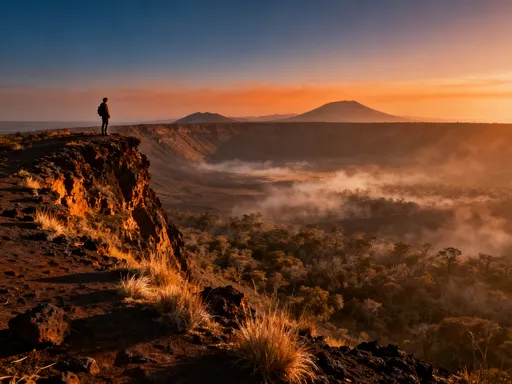
For many, Uluru appears first as a distant silhouette on the horizon—a rust-red monolith rising abruptly from the flat expanse of central Australia’s desert. It stands over 348 meters high and stretches nearly 10 kilometers around its base, a geological wonder shaped by millions of years of erosion. By day, its surface shifts in hue with the sun’s path: soft ochre at dawn, blazing orange at noon, then deepening to a rich crimson at sunset. This transformation draws thousands of visitors each year, most of whom arrive just in time for the evening light show, snap a few photos, and return to their accommodations before darkness fully settles.
Yet this fleeting encounter captures only a fraction of Uluru’s presence. The true depth of the site lies not in its visual spectacle but in its cultural significance. Uluru is not merely a natural formation; it is a sacred place to the Anangu, the traditional Aboriginal custodians of this land. For over 30,000 years, they have lived here, guided by Tjukurpa—the ancestral law that connects people, land, animals, and stories. Most tourists, however, remain unaware of these layers, missing the chance to engage with the living culture that surrounds them.
This is where the annual festival events change everything. Held during the cooler months—typically between May and October—these gatherings are carefully timed to align with favorable weather and cultural calendars. They are not commercialized spectacles but community-led celebrations designed to share knowledge, art, and tradition on Anangu terms. Visitors who stay beyond sunset step into a different dimension—one where the land speaks, the stars bear witness, and every moment carries meaning. The festival becomes a bridge between worlds, offering a rare opportunity to move beyond observation and into genuine understanding.
Festival Rhythm: When Culture Comes Alive
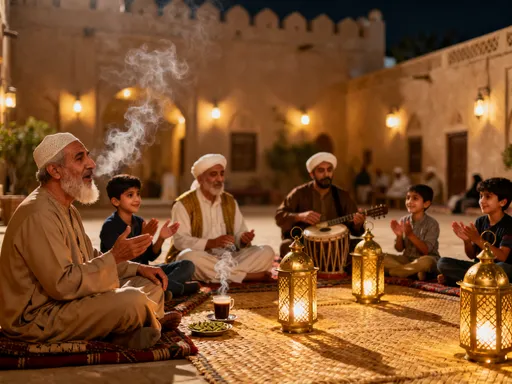
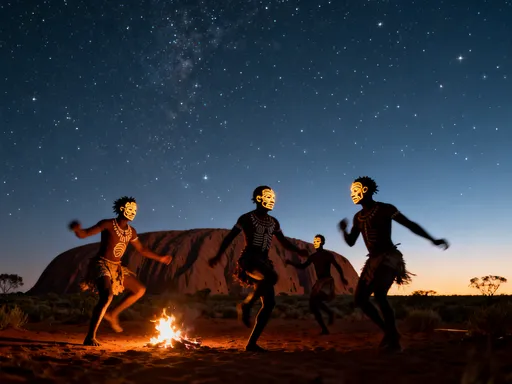
As night falls, the energy around Uluru shifts. Campfires flicker to life in designated gathering areas, and the soft hum of conversation blends with the occasional burst of laughter. Then, from the darkness, comes the deep, resonant beat of clapsticks followed by the low drone of the didgeridoo. The festival’s cultural performances have begun. Unlike staged tourist shows, these events are rooted in authenticity and purpose. Each dance, song, and story shared during the festival is an act of cultural preservation and pride, passed down through generations.
The performances are often held in circular formations, mirroring the way stories are traditionally shared in Aboriginal communities. Elders sit at the center or among the audience, ensuring that protocols are respected and meanings preserved. Dancers, adorned with body paint made from natural pigments, move in rhythms that tell stories of creation, ancestral beings, and the movements of animals across the land. These are not entertainment acts—they are living expressions of identity and law.
Storytelling circles are another cornerstone of the festival experience. Seated under the vast open sky, visitors listen as Anangu elders recount Dreamtime stories—the foundational narratives that explain how the world came to be. One tale might describe the journey of the Mala (hare-wallaby) people, whose footprints are said to be etched into the rocks near Uluru. Another may speak of Kuniya, the python woman, whose battle with a poisonous snake spirit shaped the land’s contours. These stories are not myths in the Western sense; they are spiritual truths that continue to guide daily life and land management.
Music also plays a vital role. Contemporary Aboriginal musicians often perform alongside traditional acts, blending ancient sounds with modern instruments. The result is a powerful fusion that honors the past while speaking to the present. Importantly, all programming is developed in collaboration with the Anangu people, ensuring that cultural integrity remains intact. This is not tourism as usual—it is an invitation to witness culture as it is lived, not packaged.
Walking in Ancient Footsteps: Guided Cultural Journeys
One of the most transformative experiences during the festival is the guided cultural walk led by Anangu elders. These are not casual hikes but deeply respectful journeys through sacred landscapes. Each step is taken with intention, and every pause offers a chance to learn. Visitors are welcomed onto the land with a brief acknowledgment, often accompanied by a smoking ceremony using native plants like emu bush, believed to cleanse and protect.
As the group moves along designated paths, the elder guides share knowledge that has been transmitted orally for thousands of years. They point out rock engravings and paintings that depict ancestral beings, explaining their significance without revealing sacred details that are restricted to certain family groups. This selective sharing reflects a deep cultural protocol—some knowledge is earned, not given. The guides speak slowly, deliberately, allowing time for reflection and connection.
Along the way, participants learn about bush tucker—the traditional foods gathered from the desert. The guide might show how to identify bush tomatoes, native figs, or wattleseed pods, explaining not only their uses but also the seasonal patterns that dictate when and where they can be collected. There’s a lesson in sustainability here: nothing is taken without need, and everything is used with gratitude.
Perhaps most powerful is the way these walks foster personal connection. There’s a moment—often unspoken—when a visitor realizes they are not just learning about another culture but being welcomed into a relationship with the land itself. One woman, a mother of three from Melbourne, later recalled how she felt tears well up as the guide placed her hand on a weathered rock engraving. “It wasn’t just history,” she said. “It was like touching a memory that belonged to everyone and no one at the same time.” These walks don’t just inform—they transform.
Art That Speaks: The Desert’s Creative Pulse
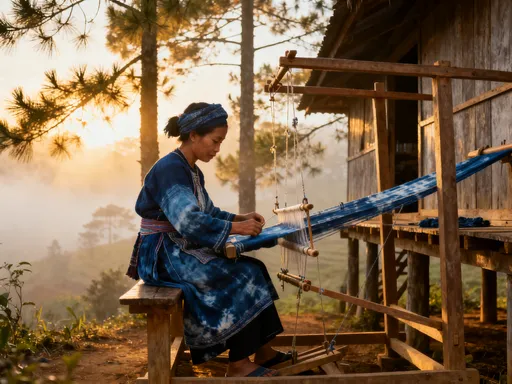
The festival also serves as a vibrant platform for Indigenous art, one of Australia’s most profound cultural exports. Across temporary outdoor galleries and shaded exhibition tents, visitors encounter works that pulse with color, symbolism, and spiritual depth. Each painting, sculpture, or woven piece is more than decoration—it is a map, a story, a prayer rendered in pigment and form.
Dot painting, perhaps the most recognized style, originates from Central and Western Desert Aboriginal communities. At the festival, artists demonstrate how each dot is placed with precision, forming intricate patterns that represent waterholes, songlines, or ancestral journeys. The designs are not random; they follow strict cultural rules and often encode sacred knowledge. For this reason, some artworks are created specifically for public viewing, while others remain private, shared only within the community.
Visitors are invited to participate in hands-on workshops where local artists guide them in creating their own small pieces using traditional techniques. These sessions are not about imitation but about understanding. Participants learn to grind natural pigments, mix them with water, and apply them with sticks or fine brushes. The process is meditative, requiring patience and focus. One participant described it as “a way of slowing down, of listening with your hands.”
Every artwork sold during the festival directly supports the artist and their community. This is a critical point: all art is ethically sourced, with no mass-produced imitations or cultural appropriation. Buyers receive certificates of authenticity and often a brief explanation of the piece’s meaning—when appropriate. This transparency ensures that art remains a source of dignity and empowerment, not exploitation. In this way, the festival becomes more than a cultural event; it is an act of economic and spiritual reciprocity.
Taste of the Outback: Food with a Story
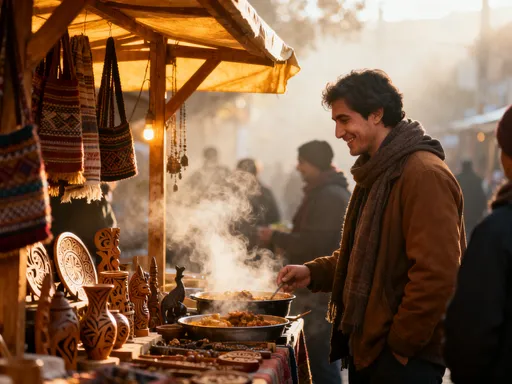
Food is another gateway to connection during the festival. The culinary program is designed to showcase native Australian ingredients—many of which have been used by Aboriginal peoples for millennia. These are not novelty dishes but thoughtful interpretations of traditional practices, prepared with respect and care.
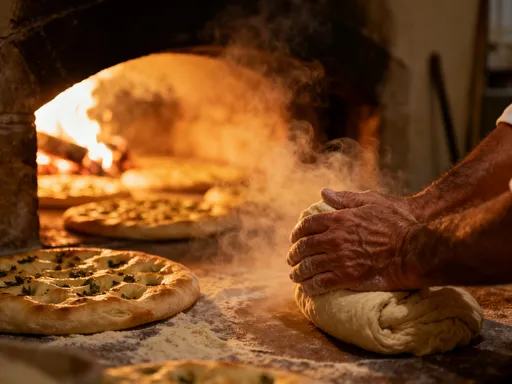
Attendees might sample kangaroo loin smoked over quandong wood, its rich flavor enhanced by the fruit’s subtle tartness. Or they might taste damper bread baked in hot ashes, served with a spread made from crushed wattleseed—a nutty, coffee-like flavor that has recently gained international attention. Bush honey, lemon myrtle tea, and finger lime pearls add bursts of unique flavor to both savory and sweet dishes.
Meals are often communal, served at long tables beneath starlit skies. As guests eat, they are accompanied by soft didgeridoo melodies or live acoustic sets from local musicians. The atmosphere is warm, unhurried, and deeply communal. There’s a sense that this is not just dinner—it is a shared ritual, a way of honoring the land that provides.
Some events include cooking demonstrations where Anangu chefs explain how traditional knowledge informs modern preparation. For example, they might show how to roast witchetty grubs—a high-protein larva traditionally eaten raw or cooked over coals—though this particular dish is usually offered as an optional tasting due to its strong cultural significance and acquired taste. The focus remains on education, not spectacle. Visitors leave not just satisfied but enlightened, carrying with them a new appreciation for the resilience and ingenuity of desert cuisine.
Stargazing and Silence: Nighttime Wonder
If the days at Uluru are defined by color and movement, the nights belong to silence and stars. With no city lights for hundreds of kilometers, the night sky here is among the clearest on Earth. During the festival, Indigenous rangers lead astronomy talks that blend scientific observation with cultural knowledge. They point out constellations not as random star groupings but as part of vast celestial stories.
The Southern Cross, for instance, is seen not just as a navigational tool but as a representation of a stingray being chased by a shark—a story shared across multiple Aboriginal groups. The Milky Way is often described as a river in the sky, home to ancestral spirits who watch over the land. These interpretations offer a different way of seeing the cosmos—one that emphasizes relationship rather than distance.
Stargazing sessions are deliberately quiet. Visitors are encouraged to sit, breathe, and simply be. In this vast emptiness, many report a profound sense of smallness—not in a frightening way, but as a humbling reminder of their place in the universe. One woman from Brisbane described it as “feeling both insignificant and deeply connected at the same time.”
Yet silence is not the only sound. At certain moments, the group may join in a low chant or song, passed down through generations. These songs are not performed for effect but sung to maintain balance and connection. The vibrations ripple through the cool night air, blending with the crackle of fire and the whisper of wind. In these moments, the boundary between past and present, visitor and host, begins to dissolve.
Traveling Right: Respecting the Land and Its People
With such profound experiences comes great responsibility. The Anangu people have always welcomed visitors, but they do so on their terms. This means following cultural protocols with care and humility. One of the most important rules is simple: do not climb Uluru. Since 2019, climbing has been permanently prohibited out of respect for the site’s sacredness. For the Anangu, the climb path crosses a major ancestral route, and allowing tourism to continue was increasingly at odds with their spiritual values.
Visitors are also asked to stay on marked trails, avoid photographing restricted sites, and refrain from touching rock art. These guidelines are not arbitrary—they are part of a broader ethic of care. The land is not a resource to be consumed but a relative to be honored. Even seemingly small actions, like leaving trash or straying off-path, can have lasting impacts in such a fragile environment.
Supporting local enterprises is another way to travel responsibly. Festival attendees are encouraged to purchase art, crafts, and guided experiences directly from Anangu-owned businesses. This ensures that economic benefits stay within the community. Accommodations like the Ayers Rock Resort partner with Indigenous tourism operators, offering culturally sensitive services that align with community values.
Ultimately, respectful travel means approaching Uluru not as a destination but as a relationship. It requires listening more than speaking, observing more than taking, and giving back whenever possible. When visitors embody this mindset, they become part of a larger story—one of mutual respect, healing, and shared humanity.
The festival at Uluru isn’t just an event—it’s an invitation to witness living culture with reverence. It reshapes how we travel, urging us to move beyond photos and souvenirs toward meaningful exchange. In the heart of the desert, under ancient skies, real connection begins. This is not about escaping life back home but about returning to something deeper—the understanding that we are all part of a much longer story, written in stone, sung in silence, and carried forward one generation at a time. When the fire dies down and the last song fades into the night, what remains is not just memory, but transformation.