You Gotta Hike These Wild Trails Beyond Libreville
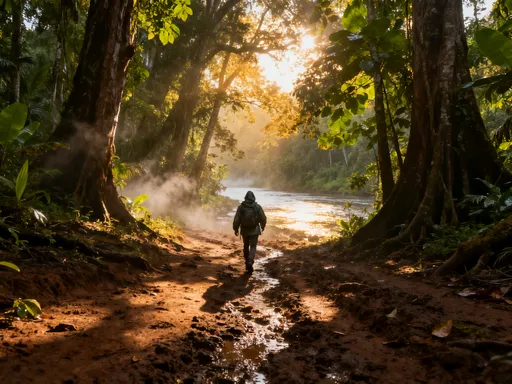
If you think Gabon’s capital is just city streets and markets, think again. Just beyond Libreville, the jungle pulses with life, rivers carve through ancient rock, and trails lead to views so raw they’ll stop your breath. I went looking for quiet and found wild, untamed beauty instead. This isn’t your typical tourist hike—it’s real, muddy, and absolutely worth every step. The air hums with cicadas, vines drape like curtains from towering trees, and every footfall sinks slightly into the damp earth. Here, nature hasn’t been paved over or packaged for postcards. It breathes on its own terms. And within an hour’s drive from the city center, you can step into a world where civilization fades and the rainforest takes over.
Why Libreville Hides More Than You Think
Most travelers picture Libreville as a coastal hub of government buildings, bustling markets, and traffic-filled avenues. While that image holds some truth, it captures only a fraction of what the region offers. Nestled between the Atlantic Ocean and the dense interior rainforest, Libreville sits at the edge of one of Central Africa’s most biodiverse landscapes. Just a short journey outside the city limits, the urban noise gives way to the rustle of leaves, the distant call of hornbills, and the soft crunch of soil underfoot. The truth is, Gabon has prioritized conservation like few other nations—protecting over 11% of its land through a network of national parks and reserves. This commitment means that even near its capital, untouched nature remains accessible.
What surprises many visitors is how seamlessly the city blends into the wild. Suburbs like Ntoum and Akanda fade into patches of protected forest where mangroves twist along riverbanks and monitor lizards slip between roots. The Komo River, which flows just west of Libreville, acts as a natural boundary between urban development and primary rainforest. On its eastern banks, small trails begin winding into green corridors maintained by local conservation groups. These areas are not heavily promoted, nor do they have visitor centers or ticket booths—but that’s part of their charm. Hiking here feels like discovery, not destination tourism.
The cultural relationship with nature in Gabon also plays a role in shaping these experiences. For generations, communities surrounding Libreville have lived in harmony with the forest, relying on it for food, medicine, and spiritual connection. While modern life has shifted some practices, respect for the land remains strong. This mindset supports low-impact access to trails and fosters a sense of stewardship among those who guide or maintain paths. As a result, hiking near Libreville isn’t just about physical adventure—it’s an invitation to witness a living landscape shaped by both ecological richness and cultural continuity.
Top Natural Landscapes Within Reach of the City
Just beyond the sprawl of Libreville lie several natural zones that offer immediate immersion into Gabon’s lush environment. One of the most accessible is the stretch of forest along the Komo River’s upper reaches. Here, narrow dirt roads give way to footpaths that follow the water’s edge, where sunlight flickers through the canopy in golden shards. The terrain alternates between flat riverbanks and gentle rises covered in ferns and moss. Birdwatchers often spot African fish eagles perched high above the water, while kingfishers dart across quiet pools. It’s not uncommon to see vervet monkeys leaping between branches or hear the deep grunt of a distant mangabey.
Another rewarding area lies in the coastal forest fragments near Pongara National Park. Though the park itself draws more attention for its beaches and turtle nesting grounds, the inland trails leading toward its fringes provide some of the most atmospheric hikes close to the city. These forests are thick with hardwoods like mahogany and okoumé, and the understory buzzes with insect life. Butterflies—some as large as a child’s hand—flutter through clearings, drawn to flowering shrubs. The air here carries a constant moisture, wrapping around hikers like a warm cloth, especially in the early afternoon when humidity peaks. Yet there’s a rhythm to the forest—the way light shifts, the sudden hush before a rain shower, the chorus of frogs emerging at dusk—that makes the conditions part of the experience rather than a drawback.
For those seeking slightly more elevation, the foothills near Mount Milondo, located northeast of Libreville, offer a different kind of terrain. While the mountain itself requires longer expeditions, its lower slopes host trails that climb gradually through mixed vegetation. These paths pass through areas where traditional farming once occurred, now reverting to secondary growth. Hikers may notice old plantain stumps or traces of stone walls half-buried in moss. The views from the higher points are subtle but satisfying—rolling green ridges disappearing into mist, with no signs of development in sight. Wildlife here includes duikers, small forest antelope, and a variety of reptiles basking on sun-warmed rocks. Each of these landscapes offers a distinct flavor of Gabon’s natural heritage, all within a two-hour drive from downtown Libreville.
The Real Hiking Experience: What to Expect on the Trail
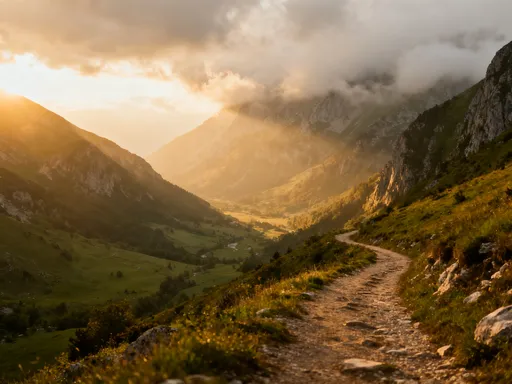
Walking these trails is nothing like navigating a marked nature loop in a developed park. There are no guardrails, few signposts, and no crowds. Instead, you’ll find narrow footpaths worn smooth by years of local use, often indistinct after heavy rains. Trails may fork without warning, cross small streams on slippery logs, or disappear entirely into thick undergrowth. The terrain varies—sometimes soft with leaf litter, other times rocky or slick with red clay. You’ll need to watch your footing, especially during the rainy season when a morning shower can turn a dry path into a muddy slide.
One of the defining characteristics of hiking near Libreville is the absence of commercialization. There are no snack stands, no restrooms, and no ranger stations. What you do encounter is authenticity. Local hunters, farmers, or conservation workers might pass by on the same path, nodding in greeting. Some trails are used daily by villagers moving between communities, making the experience feel integrated into real life rather than isolated for recreation. You won’t find trash bins or marked picnic areas—just the forest, as it is.
Weather plays a major role in shaping the experience. Mornings are often clear and cool, ideal for starting early before the heat builds. By midday, temperatures rise and humidity settles in, making slow progress feel taxing. Shade is abundant, but the air beneath the canopy can feel heavy, almost viscous. Rain can arrive suddenly, drenching the trail in minutes. That’s why preparation matters—waterproof gear, layered clothing, and reliable footwear are not luxuries but necessities. Still, there’s a reward in enduring these conditions: the sound of rain on broad leaves, the smell of wet earth, the way colors deepen after a downpour. These moments connect you to the land in a way no climate-controlled tour ever could.
How to Choose the Right Trail for Your Level
With a range of terrains and distances available, selecting the right hike depends on your fitness, experience, and time. For beginners or families with children, short walks near Ntoum or along the edges of Akanda National Park are ideal. These routes rarely exceed five kilometers, stay mostly flat, and follow well-trodden paths. They offer plenty of wildlife sightings without requiring intense exertion. A two- to three-hour loop can provide a fulfilling taste of the rainforest while remaining manageable for those unaccustomed to tropical hiking.
Intermediate hikers might consider trails that approach the outer zones of Loango National Park or follow ridgelines in the Milondo foothills. These hikes often range from 8 to 15 kilometers and include moderate elevation changes. Expect to spend most of the day on the trail, with breaks for water and rest. The paths may be less maintained, and navigation can require attention, especially after rains. These treks suit those with some prior hiking experience and a good level of cardiovascular fitness. They also offer greater solitude and deeper immersion in the forest.
For experienced adventurers, full-day treks into more remote zones provide the most challenging and rewarding experiences. These might include multi-hour journeys into dense primary forest, sometimes requiring river crossings or bushwhacking through overgrown sections. Such hikes demand proper planning, physical endurance, and ideally, the support of a local guide. They are not for the faint of heart, but they deliver unparalleled access to untouched landscapes. Regardless of your level, it’s wise to assess your readiness honestly. Consider recent activity levels, heat tolerance, and comfort with unpredictable conditions. Matching your ability to the trail ensures safety and enjoyment.
Timing also influences difficulty. Hiking during the dry season (approximately June to September and December to February) offers more stable trail conditions and fewer insects. The wet season brings lush vegetation but muddier paths and higher humidity. Starting early in the morning helps avoid both heat and afternoon thunderstorms. Group size matters too—small groups move efficiently, while larger ones may slow progress and increase environmental impact. Ultimately, choosing the right trail means balancing ambition with practicality, ensuring that your adventure enhances your connection to nature rather than becoming a struggle against it.
Local Insights: Hiking With (or Without) a Guide
One of the most valuable decisions a hiker can make near Libreville is whether to go with a local guide. While some trails near the city can be navigated independently, especially those close to Ntoum or Pongara, venturing further into forested or protected areas greatly benefits from local knowledge. Guides from nearby villages often possess intimate familiarity with the terrain—not just the safest routes, but also seasonal changes, animal behavior, and plant uses. They can point out medicinal herbs, edible fruits, or warning signs of wildlife activity that might go unnoticed by outsiders.
Finding a reliable guide typically begins through local eco-lodges, community tourism initiatives, or conservation organizations operating in the region. Some guides are affiliated with national park programs, while others work independently but maintain strong reputations within their communities. Costs vary, but a full-day guided hike usually ranges from $50 to $100 USD, depending on group size and distance traveled. This fee often supports local livelihoods directly, making guided hikes not only safer but also socially responsible.
There are cultural considerations to keep in mind when hiring a guide. Respect for elders and local customs is important—many guides come from traditional backgrounds where hospitality and knowledge are deeply valued. A simple greeting in Fang or Myene, even if basic, can go a long way. It’s also customary to offer water or share a snack, especially on longer hikes. Tipping is appreciated but not expected; a small token of thanks reflects goodwill.
Independent hiking is possible in certain areas, but it comes with responsibilities. Some forests fall within protected zones where permits are required. Ignoring these rules can lead to fines or contribute to environmental degradation. Navigation tools like GPS devices or offline maps are essential, as phone signals are unreliable. Even experienced hikers can become disoriented when trails merge or fade. Additionally, wildlife encounters—while rare—are more unpredictable without a guide who understands animal behavior. For these reasons, first-time visitors are strongly encouraged to begin with guided excursions before considering solo hikes.
What to Pack and Prepare: The Practical Side
Preparation is key to a safe and enjoyable hike near Libreville. The tropical climate and remote conditions demand thoughtful packing. Start with clothing: lightweight, breathable fabrics that wick moisture are ideal. Long sleeves and pants offer protection from both sun and insects, especially in dense forest areas. A wide-brimmed hat helps shield your face and neck, while moisture-wicking socks reduce the risk of blisters. Footwear should be sturdy—hiking boots with good ankle support and aggressive tread perform best on muddy, uneven ground. Avoid sandals or trail runners unless you’re on very short, dry paths.
Rain protection is non-negotiable. Even in the dry season, sudden showers are common. A compact, durable rain jacket or poncho should be part of every pack. Consider using waterproof bags or dry sacks to protect electronics, extra clothes, and food. Insect repellent containing DEET or picaridin is essential—mosquitoes are present year-round, and while malaria risk exists, proper prevention significantly reduces it. Tucking pants into socks and wearing closed shoes further minimizes exposure.
Hydration is critical. Carry at least two liters of water per person for a full-day hike. Since natural water sources may be contaminated, a portable water filter or purification tablets are strongly recommended. Energy-rich snacks like nuts, dried fruit, or granola bars help maintain stamina. Avoid heavy meals before hiking; a light breakfast with carbohydrates and protein provides sustained energy.
Navigation tools should include both digital and analog options. A GPS device or smartphone app with offline maps (such as Gaia GPS or Maps.me) is useful, but always carry a paper map as backup. A compass can be lifesaving if batteries die. Inform someone of your route and expected return time, especially if hiking independently. A basic first-aid kit with bandages, antiseptic, and blister treatment should be standard. Finally, practice leave-no-trace principles: pack out all trash, avoid picking plants, and refrain from disturbing wildlife. These forests are fragile ecosystems—preserving their integrity ensures they remain accessible for future generations.
Why These Hikes Matter: Connecting With Gabon’s Wild Heart
Hiking beyond Libreville is about more than exercise or sightseeing—it’s a form of engagement with one of the planet’s last great wildernesses. In a world where so much nature has been altered or lost, Gabon stands apart. Its commitment to conservation, driven by both government policy and community values, has preserved vast tracts of rainforest, wetlands, and coastal habitats. Walking these trails means stepping into a living legacy, where biodiversity thrives and ecosystems function as they have for millennia.
Each footstep on these paths connects you to a broader story—one of protection, balance, and respect. Gabon’s network of national parks, established in 2002, covers an area larger than Switzerland. These hikes offer a tangible way to appreciate that achievement. You’re not just observing nature; you’re moving through it, listening to it, feeling its rhythms. That kind of immersion fosters a deeper understanding of why conservation matters—not as an abstract concept, but as a daily reality for the people and species that call this place home.
For visitors, especially women aged 30 to 55 who seek meaningful, enriching travel, these hikes provide a rare combination of adventure and introspection. There’s a quiet strength in walking through ancient forest, in breathing air untouched by smog, in hearing birdsong instead of traffic. It’s a reminder that wonder still exists, that beauty persists in wild forms. And by choosing to explore responsibly—through guided walks, eco-friendly practices, and cultural respect—travelers become part of the solution, not the disruption.
If you crave authenticity, if you long to step off the beaten path and into a landscape that feels truly alive, then the trails beyond Libreville await. They ask for preparation, humility, and care—but they give back in silence, in sight, in soul. This is not just a hike. It’s a return to what nature can be, when we choose to protect it.