This Coastal Gem in Ghana Will Steal Your Instagram Feed
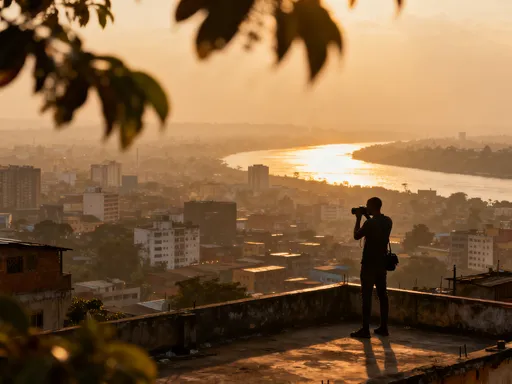
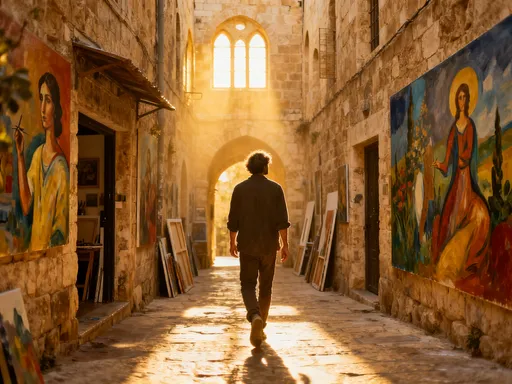
Cape Coast, Ghana, is where history and beauty collide in the most photogenic way. Walking through its streets, I was struck by how every corner tells a story—especially its landmark buildings, standing tall with centuries of legacy. These aren’t just old walls; they’re visual masterpieces bathed in golden light, perfect for that next profile pic. If you're chasing authenticity and aesthetics, this is your next must-visit. The city doesn’t shout for attention; it invites you in with quiet dignity, offering layers of cultural depth beneath its sunlit facades. For women who travel to connect, to reflect, and to find beauty in meaning, Cape Coast delivers in ways few destinations can.
The First Glimpse: Arriving in Cape Coast
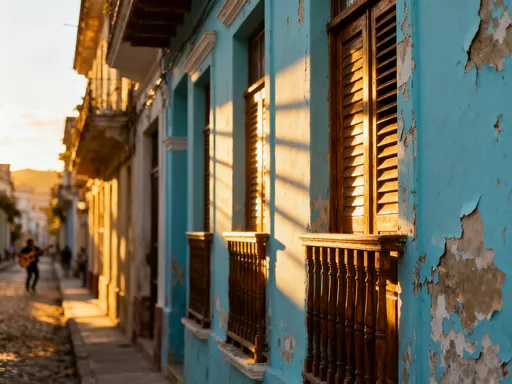
As you approach Cape Coast from Accra, the air shifts—lighter, saltier, carrying the scent of the Atlantic and the faint aroma of grilled plantains from roadside vendors. The city unfolds gently, not with the rush of a metropolis but with the rhythm of a community rooted in place and purpose. Colonial-era buildings with faded pastel walls and wrought-iron balconies stand shoulder to shoulder with bustling markets and modern shops, creating a tapestry of old and new. Brightly painted wooden shutters frame windows like eyelids half-closed against the sun, while laundry flutters from lines strung between centuries-old brickwork.
What strikes visitors immediately is the warmth—not just from the tropical climate, but from the people. Children wave from doorways, elders nod in greeting, and shopkeepers offer smiles as freely as they do their wares. There’s no pressure to perform or impress. This isn’t a city curated for tourists; it lives fully on its own terms. Yet, it welcomes outsiders with open arms, allowing them to witness its daily rhythms without intrusion. The pace encourages slowness, inviting you to pause, breathe, and truly see.
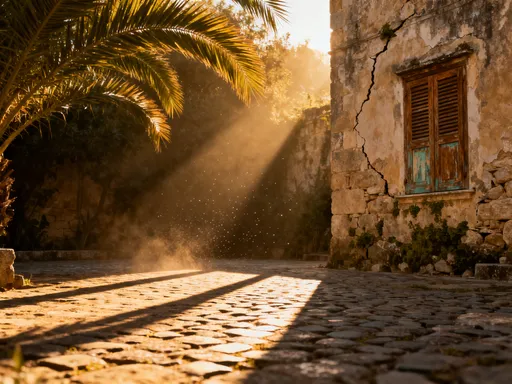
Architecturally, Cape Coast feels like a living museum. Unlike cities where history is tucked behind glass or confined to galleries, here it’s part of everyday life. You don’t need a guidebook to sense the weight of time. It’s in the uneven cobblestones beneath your feet, the way sunlight catches the weathered stone of a centuries-old wall, and the quiet dignity of buildings that have stood through empires and independence alike. Every structure tells a story—not just of design, but of survival, adaptation, and resilience. For the thoughtful traveler, especially one seeking depth over spectacle, this first impression lingers long after arrival.
Cape Coast Castle: More Than a Photo Op
Rising from the rocky shoreline like a sentinel of memory, Cape Coast Castle commands attention. Its pale stone walls, softened by time and sea spray, glow in the morning light, offering a stark contrast to the deep blue of the Atlantic. From the seaward side, the castle appears almost serene—arched windows, cannon emplacements, and a lighthouse perched at the edge, all framed by swaying palm trees. It’s an image that begs to be captured, shared, admired. But behind that beauty lies a history so profound it demands reverence.
Recognized as a UNESCO World Heritage Site, Cape Coast Castle was once a central hub in the transatlantic slave trade. For centuries, it held thousands of enslaved Africans in its dark, airless dungeons before they were shipped across the ocean. The Door of No Return, a narrow opening leading from the fortress to the sea, stands as one of the most powerful symbols of human suffering and endurance. Today, guided tours lead visitors through these spaces with care and solemnity, ensuring that the stories of those who passed through are not forgotten.
Photographing the castle requires both artistry and awareness. The visual contrasts—light and shadow, strength and sorrow, beauty and brutality—can create compelling images. However, responsible photography means more than just finding the right angle. It means understanding context. It means avoiding staged poses in sacred spaces or treating the site like a backdrop for casual content. Many visitors choose to photograph the exterior at sunrise, when the soft golden light enhances the texture of the stone without diminishing its gravity. Others focus on symbolic details—the iron rings where captives were chained, the barred windows of the female dungeon, or the quiet courtyard where reflection is encouraged.
For women who travel with intention, Cape Coast Castle offers a chance to engage with history in a deeply personal way. It’s not a place for filters or flashy edits. It’s a space for listening, learning, and honoring. When shared online, images from the castle gain power not from aesthetics alone, but from the stories they carry. A single photo, paired with a thoughtful caption about remembrance and resilience, can inspire dialogue far beyond the screen.
Fort William: A Hidden Frame-Worthy Fortress
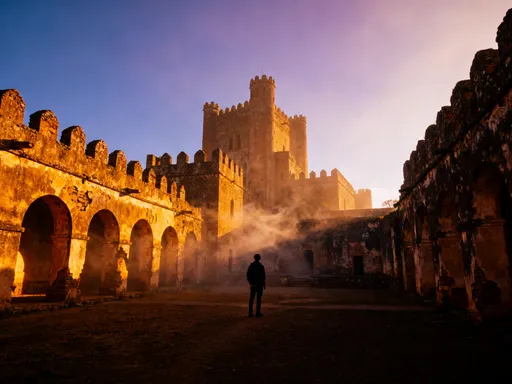
Nestled near the University of Cape Coast, Fort William often escapes the crowds that gather at the more famous castle. Built by the British in the 18th century, this smaller fortress offers a quieter, more intimate experience—one that rewards those who seek out less-trodden paths. Perched on a hilltop, it overlooks the ocean with a quiet confidence, its stone ramparts softened by creeping vines and the dappled shade of tropical trees. Unlike the polished grandeur of other colonial sites, Fort William feels raw, authentic, and deeply atmospheric.
The fort’s architecture is striking in its simplicity. Battlements line the outer walls, and weathered cannons still point toward the sea, frozen in time. Arched passageways lead to open courtyards where students sometimes gather to study or friends meet to talk. The play of light and shadow creates natural frames for photography—especially during golden hour, when the low sun casts long, dramatic lines across the stone. Palm fronds sway in the breeze, adding movement to still compositions, while the distant crash of waves provides a soothing soundtrack.
Because it sees fewer visitors, Fort William allows for more contemplative exploration. You can sit on a crumbling wall, journal in hand, and absorb the silence. You can photograph details without feeling rushed or observed. The ivy-covered ruins, the rusted iron fixtures, the way moss grows in the cracks—these textures tell a story of nature reclaiming history. For those who appreciate subtle beauty, this site offers endless inspiration.
Photographers will find that wide-angle lenses capture the fort’s expansive views, while macro settings highlight the intricate details of erosion and regrowth. But the most powerful images often come from simplicity—a single cannon silhouetted against the sky, a pair of shoes left near a bench, a handwritten note taped to a wall. These quiet moments speak louder than grand vistas. Fort William doesn’t demand attention; it earns it through presence, patience, and poetry.
St. John’s Anglican Cathedral: Where Faith Meets Design
Perched on a gentle rise in the heart of Cape Coast, St. John’s Anglican Cathedral stands as a testament to both spiritual devotion and architectural grace. Built in the Victorian era, its red-tiled roof and whitewashed walls rise above the surrounding treetops, visible from many parts of town. The church’s design blends European influences with local craftsmanship—wooden beams hand-carved by Ghanaian artisans, stained glass windows filtering sunlight into pools of color, and a bell tower that chimes softly at midday.
The cathedral’s courtyard is one of the city’s most peaceful spaces. Lined with potted plants, stone pathways, and shaded benches, it invites quiet reflection. On Sundays, the air fills with harmonious hymns sung in both English and Fante, the local language. The congregation, largely made up of families and elders, welcomes visitors with quiet respect. While photography inside the sanctuary is limited out of reverence, the exterior and grounds offer abundant opportunities for meaningful images.
From the cathedral’s front steps, you can capture panoramic views of Cape Coast stretching toward the sea. The composition is naturally balanced—ancient trees in the foreground, the church’s spire reaching skyward, and the shimmering ocean in the distance. At sunrise, the light bathes the building in a soft glow, enhancing its serene elegance. These are not flashy shots, but soulful ones—images that convey stillness, faith, and continuity.
For women who value introspection and connection, St. John’s offers a rare opportunity to experience sacred space without spectacle. It’s not a tourist attraction; it’s a place of worship, community, and continuity. Capturing its essence means resisting the urge to overcompose or dramatize. Instead, it’s about honoring the quiet dignity of a space that has held prayers, weddings, and funerals for generations. A single photo of sunlight through stained glass, paired with a brief reflection on hope or resilience, can resonate deeply with those who see it.
Colonial Courthouse and Old Town Buildings: Urban Textures
In the central district of Cape Coast, the Colonial Courthouse stands as a proud remnant of the city’s administrative past. With its symmetrical façade, tall shuttered windows, and wooden balcony overlooking the street, it exudes a quiet authority. Though no longer the center of legal affairs, the building remains in use, its halls echoing with the footsteps of civil servants and citizens alike. Around it, the Old Town unfolds—a network of narrow streets lined with preserved colonial structures, each bearing the marks of time with grace.
These buildings are not museum pieces frozen in perfection. Their paint peels in delicate curls, revealing layers of color beneath—evidence of decades of care and change. Iron grilles guard windows like lace armor, while wooden doors, worn smooth by countless hands, open to shops, homes, and small offices. Street vendors set up beneath awnings, selling everything from fresh mangoes to handmade baskets, their presence adding life and movement to the historic backdrop.
For photographers, this area is a treasure trove of urban textures. The contrast between old architecture and daily life creates rich, layered compositions. A close-up of a weathered door handle next to a basket of ripe oranges tells a story of continuity. A wide shot of the courthouse with children playing in the square captures the rhythm of a city that honors its past while living fully in the present. The key is patience—waiting for the right moment when light, movement, and emotion align.
Walking through Old Town feels like flipping through the pages of a living history book. Each building has a role, each street a memory. Women travelers, often attuned to the subtleties of community and care, may find particular resonance here. The way a grandmother sweeps her doorstep, the way a tailor sits cross-legged under a shaded window, the way neighbors call out greetings—these are the quiet moments that define a place. Capturing them requires more than a camera; it requires presence, respect, and an open heart.
Why These Buildings Matter Beyond the Aesthetic
While Cape Coast’s landmarks are undeniably photogenic, their true value lies not in their visual appeal, but in their meaning. Each structure is a vessel of memory—a keeper of stories about struggle, survival, and identity. The castle speaks of unimaginable loss, but also of resilience. The courthouse reflects colonial rule, but also the journey toward self-governance. The cathedral embodies faith, but also cultural fusion. These buildings are not relics; they are active participants in Ghana’s ongoing narrative.
When travelers share images of these sites, they carry a responsibility. A photo without context can reduce history to aesthetics. But a photo with intention can educate, inspire, and honor. This is especially important for women who influence others through their social media presence. A caption that explains the significance of the Door of No Return, or shares a quote from a local guide, transforms a simple image into a moment of connection and learning.
Moreover, ethical storytelling means acknowledging complexity. Cape Coast is not a tragedy to be consumed; it is a community to be respected. The people who live here are not extras in a historical drama—they are teachers, artists, parents, and leaders shaping the future. Travelers who engage with the city on its own terms, who listen more than they speak, who give more than they take, contribute to a more honest and compassionate form of tourism.
For women who travel to grow, to understand, and to make a difference, Cape Coast offers a powerful lesson: beauty is deeper when it has roots. The most lasting images are not those that collect likes, but those that carry meaning. When you photograph a crumbling wall or a sunlit courtyard, you’re not just capturing a moment—you’re participating in a conversation across time.
How to Capture Cape Coast’s Landmarks Like a Pro (Without Being a Pro)
You don’t need expensive gear to create powerful images in Cape Coast. Most smartphones today have excellent cameras, especially when used with intention. The key is understanding light. Early morning and late afternoon offer the most forgiving conditions—soft, warm, and directional. Midday sun can be harsh, creating strong contrasts, but it can also emphasize texture if used carefully. Look for shaded areas or use your body to block direct light when photographing people.
Composition matters, but so does consent. Always ask before photographing individuals, especially in sensitive spaces like the castle dungeons or church services. A simple smile and gesture can go a long way. Avoid staging scenes or asking people to perform poverty, sorrow, or tradition for the camera. Authenticity cannot be directed—it can only be witnessed.
When editing, resist the urge to over-filter. Cape Coast’s beauty is in its honesty. A slightly grainy photo with real emotion is more powerful than a perfectly polished but soulless image. Use captions to add depth—share a fact, a feeling, or a quote from a local. This turns your post from a snapshot into a story.
Finally, remember that the best travel photography isn’t about perfection. It’s about presence. It’s about returning home not just with images, but with understanding. Cape Coast invites you to look beyond the frame, to listen to the silence between the waves, to feel the weight of history in the stones beneath your feet. When you share your journey, let it reflect not just what you saw, but what you learned, and how you were changed.
Cape Coast’s landmark buildings are not just backdrops—they’re guardians of memory, artistry, and identity. Visiting them changes how you see travel, pushing you to look deeper than likes. When you go, don’t just take pictures. Take meaning home with you.