You Won’t Believe What Baguio’s Hidden Markets Are Hiding
Baguio, perched high in the Philippine mountains, isn’t just about cool air and pine trees—it’s a hub of buzzing commercial life waiting to be explored. I was stunned by how much culture, flavor, and energy radiate from its market lanes and shopping strips. From handwoven inabel textiles to sizzling street food, every corner tells a story. This city blends tradition and commerce like nowhere else. If you're looking for authentic urban charm with local soul, Baguio’s commercial areas should be at the top of your list.
The Heartbeat of Highland Commerce
Baguio City, sitting at an elevation of about 1,500 meters above sea level, occupies a unique place in the Philippine economic and cultural landscape. Its cool climate, a refreshing contrast to the tropical heat of lowland regions, has long drawn visitors and settlers alike. This geographical advantage has shaped the city’s role as a highland trading center, where indigenous trade routes converge with modern consumer demand. The rhythm of commerce here is neither purely urban nor entirely rural—it is a blend, a dynamic exchange rooted in both necessity and tradition.
Historically, Baguio served as the summer capital during the American colonial period, a status that introduced infrastructure and formal market systems. Yet, beneath these colonial imprints lies a deeper, older economy—one driven by the Cordillera communities who have lived in the region for generations. Their agricultural surplus, woven goods, and handcrafted tools have long been bartered in local exchanges, forming the foundation of today’s bustling market culture. This continuity is remarkable: the same paths once used to carry sweet potatoes and heirloom rice now carry tourists, students, and entrepreneurs.
What makes Baguio’s commercial life truly vibrant is the coexistence of formal and informal economies. Street vendors operate alongside air-conditioned malls; weekend bazaars spring up beside century-old institutions. The city’s population swells daily with students from nearby universities, office workers, and domestic tourists, all contributing to a steady flow of economic activity. At the same time, local farmers and artisans rely on these markets not just for income but as spaces of cultural affirmation. Every sale of a hand-carved spoon or a dyed textile is a small act of preservation.
Moreover, the city’s role as a regional hub means goods from surrounding provinces—like vegetables from La Trinidad Valley, beeswax from Mountain Province, or coffee from Kalinga—flow into Baguio before being distributed further. This makes the city not just a destination but a vital node in a broader highland network. The markets are not merely places to shop; they are living systems of exchange, where geography, history, and human connection shape the rhythm of daily life.
BenCab Market & The Art of Handmade Culture
Nestled along the winding road leading to the BenCab Museum, the BenCab Market is a celebration of creativity and craftsmanship. More than just a marketplace, it functions as a cultural showcase where local artists and Cordillera artisans display their work in a setting that feels both intimate and inspiring. The air carries the scent of sawdust and natural dyes, mingling with the faint aroma of coffee from nearby stalls. Brightly colored textiles drape over wooden racks, while hand-carved wooden masks, bowls, and figurines line the shelves, each piece bearing the distinct mark of its maker.
What sets BenCab Market apart is its emphasis on authenticity and direct artist-to-consumer interaction. Unlike mass-produced souvenirs found in tourist shops, the items here are made by individuals who often come from generations of artisans. Many of the weavers belong to indigenous communities in the Cordillera, where weaving is not just a skill but a form of storytelling. Patterns in their textiles—such as zigzags, diamonds, or ladder motifs—carry meanings tied to ancestry, nature, or spiritual beliefs. Purchasing a piece here is not merely a transaction; it is an acknowledgment of heritage and identity.
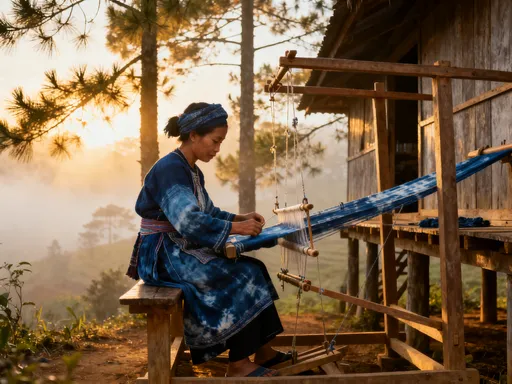
The market also features live demonstrations, where visitors can watch artists at work—spinning yarn on backstrap looms, carving softwood with simple tools, or painting intricate designs inspired by mountain life. These moments offer a rare glimpse into the patience and precision required to create such works. For many visitors, especially women in their 30s to 50s who value meaningful travel experiences, these interactions are deeply moving. They resonate not only with a love for handmade beauty but with a desire to support sustainable, ethical practices that empower local communities.
Supporting these artisans has broader implications. It helps sustain traditional knowledge that might otherwise fade in the face of modernization. It also provides economic alternatives to younger generations, encouraging them to remain in their communities rather than migrate to cities for low-wage labor. By choosing to buy directly from makers at BenCab Market, visitors contribute to a cycle of cultural preservation and economic dignity. The market, therefore, is more than a shopping destination—it is a quiet act of resistance against cultural homogenization, a space where heritage thrives through everyday commerce.
Session Road: More Than Just a Strip
Stretching through the heart of Baguio, Session Road is more than just a thoroughfare—it is the city’s historic commercial spine, pulsing with energy and layered with memory. Originally laid out during the American colonial era as a tree-lined boulevard for government officials and summer visitors, it has evolved into a bustling urban corridor that blends old and new. Today, it serves as a pedestrian-friendly zone lined with shops, cafés, bookstores, and performance spaces, reflecting the city’s identity as a center of art, education, and civic life.
Walking down Session Road is like flipping through the pages of a living history book. Some of the buildings still bear architectural traces of the early 20th century, with wide eaves and arched windows, while others have been repurposed into modern retail spaces. The road’s name itself is a nod to the Philippine Commission’s legislative sessions once held nearby, a reminder of Baguio’s administrative past. Yet, far from feeling like a relic, Session Road thrives with youthful energy, especially in the late afternoon and evening when students from nearby universities gather to study, socialize, or browse local boutiques.
Along the strip, small businesses flourish—family-run bakeries offering fresh *pandesal* and *ensaymada*, bookshops stocked with secondhand novels and art prints, and music stores where the sounds of acoustic guitars drift onto the sidewalk. These establishments are not franchises but independent ventures, often passed down through generations or started by young creatives seeking to make their mark. The presence of street performers—singers, dancers, and painters—adds to the vibrant atmosphere, turning the road into an open-air stage.
What makes Session Road particularly appealing to middle-aged women, especially those who appreciate culture and authenticity, is its human scale and sense of community. It’s a place where one can linger over a cup of locally grown coffee, strike up a conversation with a shop owner, or discover a hand-painted greeting card made by a local artist. Unlike impersonal shopping malls, this stretch feels personal, curated, and alive. It represents a kind of urban life that values connection over convenience, making it a must-visit for anyone seeking to understand Baguio’s soul.
Night Markets & Street Food Adventures
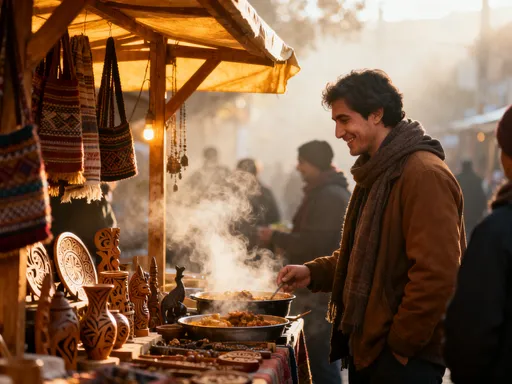
As the sun sets and the mountain air grows cooler, Baguio’s night markets come alive with light, sound, and sizzle. Nowhere is this more evident than along Harrison Road, where rows of food stalls stretch into the night, each glowing under strings of yellow bulbs. The air fills with the aroma of grilling meat, caramelized sugar, and steaming milk, creating an irresistible sensory pull. For many visitors, especially families and women traveling with friends or daughters, the night market is not just about eating—it’s about experience, connection, and joy.
One of the most beloved treats is *kwek-kwek*, bright orange quail eggs coated in orange batter and deep-fried to a crisp perfection. Served with a tangy vinegar dip, they are a favorite among locals and tourists alike. Equally iconic are the grilled hotdogs on sticks, their skins blistered and smoky, often paired with sweet banana catsup. Another must-try is *strawberry taho*—a local twist on the traditional Filipino snack of soft tofu, syrup, and pearls, now infused with the region’s famous strawberries. Each bite offers a balance of warmth, sweetness, and creaminess, perfect for the chilly evening.
Beyond flavor, what makes these night markets special is their role as social spaces. They are democratic by nature—affordable, accessible, and open to all. Parents bring children, students unwind after class, and tourists mingle with locals, all united by the simple pleasure of good food. Vendors, often working late into the night, greet regulars by name, adding a personal touch that chain restaurants can’t replicate. For middle-aged women who value warmth and authenticity in their travels, these interactions are deeply meaningful.
The night market experience also reflects a broader truth about Baguio: its economy thrives on small-scale entrepreneurship. Many of these vendors are self-employed, using minimal capital to serve hundreds of customers nightly. Their resilience is admirable, especially during rainy seasons or economic downturns. By choosing to eat at these stalls, visitors support livelihoods that sustain families and communities. It’s a form of tourism that doesn’t just observe culture but participates in it—through taste, conversation, and shared presence.
Malls with a Mountain Twist: SM Baguio and Local Alternatives
While Baguio is celebrated for its organic, grassroots markets, it also hosts modern shopping centers that cater to diverse needs. SM Baguio stands as the city’s largest mall, a multi-level complex nestled into the mountainside with panoramic views of pine-covered slopes. It offers familiar comforts—branded clothing stores, electronics, a supermarket, and a food court—making it a go-to destination for both locals and tourists seeking convenience. Its air-conditioned interiors provide relief from the occasional summer warmth, while its anchor stores ensure access to everyday essentials.
Yet, SM Baguio is not just a clone of urban malls elsewhere. It adapts to its environment in subtle but significant ways. The architecture incorporates natural wood and stone elements, echoing the region’s aesthetic. Seasonal displays often highlight Cordillera culture, featuring local weavers, musicians, or harvest themes. Even the mall’s events calendar includes community outreach programs and school exhibits, reinforcing its role as a civic space, not just a commercial one. For women who appreciate both comfort and cultural sensitivity, SM Baguio strikes a thoughtful balance.
Equally important are the smaller, locally owned alternatives like Mines View Mall and Baguio City Market. Mines View, located near one of the city’s most photographed viewpoints, is compact but rich in character. It houses souvenir shops selling handmade knitwear, keychains, and indigenous crafts, as well as cafés offering hot chocolate and strawberry shortcake. The upper floor often hosts rotating art exhibits or craft fairs, making it a dynamic space for cultural exchange. Unlike large malls, it retains a personal feel, with shopkeepers who engage in conversation and remember returning customers.
These local centers serve a crucial role in distributing economic benefits more evenly. While SM Baguio generates significant revenue, its profits largely flow to a national corporation. In contrast, family-run shops in Mines View or the public market keep money within the community, supporting local families and preserving small business traditions. For mindful travelers, choosing to shop in these spaces is a way to practice ethical tourism—supporting sustainability, fairness, and authenticity. The contrast between big and small, global and local, is not a competition but a complement, offering visitors a fuller picture of Baguio’s commercial ecosystem.
Where Tradition Meets Transaction: The Igorot Market Experience
In several corners of Baguio, markets operated by or dedicated to Igorot communities offer a direct link to indigenous culture. Places like the Igorot Weaving House and community stalls near the city’s cultural centers allow visitors to engage with traditions that have been passed down for centuries. These are not tourist traps but genuine expressions of identity, where elders teach younger members the art of backstrap loom weaving, natural dyeing, and basket-making. The goods sold—blankets, bags, garments—are not mass-produced but made by hand, often using cotton or abaca fiber sourced from their ancestral lands.
Shopping in these spaces requires more than a wallet—it demands awareness and respect. Many of the patterns woven into the textiles hold spiritual or communal significance. For example, the *binakol* design, with its swirling lines, is believed to ward off evil spirits, while geometric motifs may represent rice fields, rivers, or family lineage. Understanding these meanings transforms a simple purchase into an act of cultural appreciation rather than appropriation. Vendors often welcome questions and are eager to share stories, especially when customers show genuine interest.
Fair pricing is another essential consideration. While some tourists expect bargains, it’s important to recognize that these artisans invest significant time and skill into their work. A single woven bag may take days to complete, using techniques that cannot be rushed. Paying a fair price is not charity—it is justice. It acknowledges the value of their labor and helps sustain their way of life. For women who value fairness and empathy, this form of shopping aligns deeply with personal principles of dignity and mutual respect.
These markets also serve as platforms for cultural education. Some stalls include informational boards or host short talks on indigenous rights, environmental stewardship, or the impact of climate change on highland farming. By visiting and supporting them, travelers become part of a larger movement toward recognition and equity. The Igorot market experience, therefore, goes beyond commerce—it invites reflection, connection, and responsibility, reminding us that every purchase carries meaning.
Smart Shopping in Baguio: Timing, Transport, and Tips
To fully enjoy Baguio’s markets, a little planning goes a long way. The best time to visit is during the dry season, from November to April, when the weather is cool and streets are less slippery. Weekdays are generally less crowded than weekends, making them ideal for a relaxed exploration. Early mornings are perfect for visiting public markets, where fresh produce and flowers arrive at dawn. For night markets, the peak hours are between 6 PM and 10 PM, when the atmosphere is most lively.
Transportation in Baguio can be challenging due to narrow roads and frequent traffic, especially during holidays. Public utility jeeps, known locally as *jeepneys*, are affordable and connect major areas, though they can be crowded. Tricycles (motorcycle-sidecar combinations) offer door-to-door service but require negotiating fares in advance. For those with mobility concerns or traveling with children, hiring a private vehicle or using ride-hailing apps when available may be more comfortable. Walking is also a great option in central areas like Session Road, where pedestrian zones make strolling safe and pleasant.
When it comes to payments, cash is still king in most markets, especially in informal stalls and night food vendors. While some shops in malls accept credit cards or digital wallets, it’s wise to carry sufficient pesos in small denominations for bargaining and small purchases. ATMs are available in malls and banks, but lines can be long during peak times. Digital payments are growing, but not yet universal, so relying solely on apps may limit options.
Bargaining is common in public markets and street stalls, but it should be done respectfully. Start with a polite smile and a reasonable offer—typically 10% to 20% below the asking price. Listen to the vendor’s counteroffer and be willing to meet in the middle. Avoid aggressive haggling, which can be offensive. Remember, many of these sellers depend on daily sales for their livelihoods. Seasonal events like the Panagbenga Festival (February) offer unique opportunities, with pop-up bazaars, flower displays, and special performances. Planning a trip around such events can enrich the experience, combining shopping with cultural celebration.
Lastly, pack wisely. Bring a reusable bag for purchases, wear comfortable shoes for walking on uneven terrain, and dress in layers—the temperature can drop significantly at night. Above all, approach each market with curiosity and kindness. Ask questions, learn names, and take time to appreciate the stories behind the goods. These small gestures create connections that last far longer than any souvenir.
Baguio’s markets are more than places to shop—they are living expressions of highland Filipino life, where culture, economy, and community intersect. Each stall, each vendor, each handmade item tells a story of resilience, creativity, and connection. For women who seek meaningful travel—experiences that nourish the heart as much as the eyes—Baguio offers something rare and beautiful. By exploring these spaces with respect and intention, visitors do more than collect souvenirs; they become part of a legacy of cultural continuity. So come not just to see, but to listen, to learn, and to leave with a deeper understanding of what it means to live, create, and thrive in the mountains.