You Won’t Believe How Alive Culture Feels in Da Lat
Da Lat doesn’t just sit in Vietnam’s highlands—it breathes culture in every color, flavor, and rhythm. I went looking for cool air and quiet streets, but found something way deeper: villagers weaving stories into fabric, farmers singing in coffee fields, and festivals that feel like family reunions. This isn’t just travel—it’s connection. If you’ve ever wanted to feel a place, not just see it, Da Lat will surprise you. Nestled at over 1,500 meters above sea level, this mountain retreat offers more than relief from tropical heat. It offers a rare window into a living cultural tapestry—one woven from indigenous traditions, colonial echoes, and youthful creativity. Here, culture isn’t preserved behind glass. It’s worn, sung, cooked, and shared.
The Soul of the Highlands: Why Da Lat’s Culture Stands Out
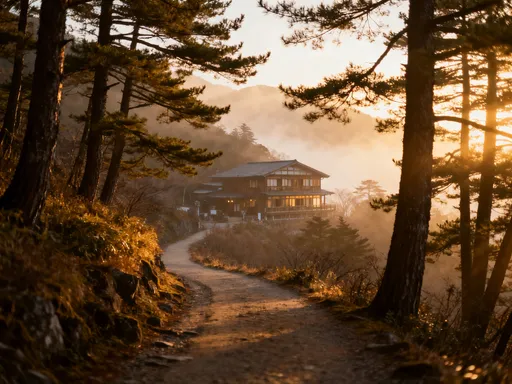
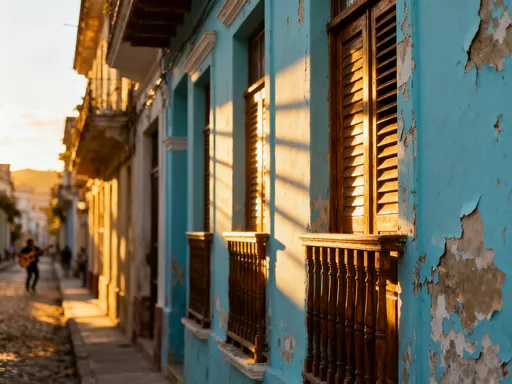
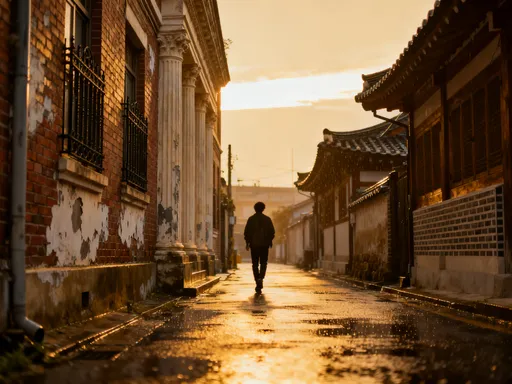
Unlike the fast-paced energy of Ho Chi Minh City or the ancient formality of Hue, Da Lat unfolds at a different tempo. Its altitude shapes not only the crisp air and misty mornings but also the rhythm of daily life. The city was established by the French in the 1920s as a hill station, a retreat for colonial administrators seeking relief from the lowland heat. That legacy remains visible in its villas with red-tiled roofs, stained-glass windows, and ivy-covered walls. Yet Da Lat is far from a preserved relic. It has evolved into a vibrant blend of past and present, where tradition and modernity coexist in harmony.
What truly distinguishes Da Lat is its cultural mosaic. The surrounding highlands are home to several indigenous communities, whose presence predates colonial rule by centuries. Their influence permeates the region’s identity, from agricultural practices to spiritual beliefs. At the same time, the city pulses with youthful energy thanks to its many universities and art schools. This convergence—of ancestral knowledge and fresh creativity—creates a cultural atmosphere that feels both grounded and dynamic.
The slower pace of life invites deeper engagement. Visitors often remark on how easy it is to strike up a conversation with a local vendor or pause to watch an elderly woman arranging flowers by the roadside. There’s a gentleness here, a sense of intentionality in how people move through their days. This isn’t a city built for spectacle. It’s one that rewards presence. Whether it’s the sound of a traditional flute drifting from an open window or the sight of a farmer guiding water through terraced fields, Da Lat reveals its soul gradually, like layers of mist lifting at dawn.
Living Traditions: Ethnic Communities and Their Craft
The cultural heartbeat of Da Lat extends beyond the city center into the surrounding villages, where ethnic minority groups such as the K’Ho, Lạt, and Chu Ru continue to live according to long-held customs. These communities, though diverse in language and tradition, share a deep connection to the land and a commitment to preserving their heritage. Their stilt houses, raised on wooden posts to protect against dampness and wildlife, are more than shelters—they are expressions of identity, built with materials drawn from the forest and designed to harmonize with the mountainous terrain.
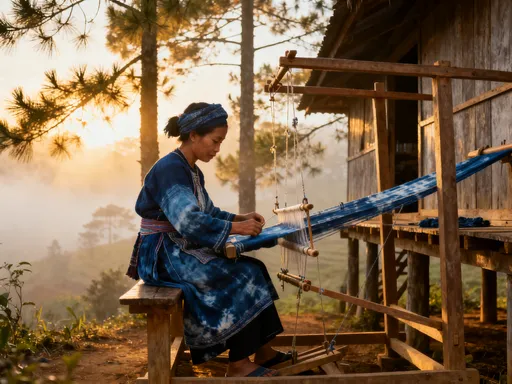
One of the most striking aspects of these communities is their textile artistry. Women spend hours weaving intricate patterns into cotton and hemp fabrics using backstrap looms passed down through generations. Each motif carries meaning: zigzags represent mountain paths, diamonds symbolize eyes watching over the village, and red threads signify vitality. These textiles are not made for tourists alone. They are worn during ceremonies, given as gifts at weddings, and used to wrap sacred objects. The act of weaving is itself a ritual—a way of remembering ancestors and teaching younger generations about their roots.
Visiting these villages offers a rare opportunity to witness culture in motion. In some communities, elders gather children under the communal house to recount origin myths and teach traditional songs. These moments are not staged for visitors but are part of daily life. However, increased tourism brings both benefits and challenges. On one hand, selling crafts provides income and helps sustain traditional skills. On the other, there is a risk of commodification—of reducing sacred symbols to souvenirs or encouraging performances that distort authentic practices.
The most meaningful interactions happen when visitors approach with respect. Simple gestures—removing shoes before entering a home, accepting a cup of tea with both hands, asking permission before taking photos—go a long way. Some villages now offer community-led tours, where locals guide visitors through their daily routines, from rice planting to basket weaving. These experiences foster mutual understanding and ensure that tourism supports, rather than disrupts, cultural continuity.
Markets That Tell Stories: From Vegetable Stalls to Handmade Treasures
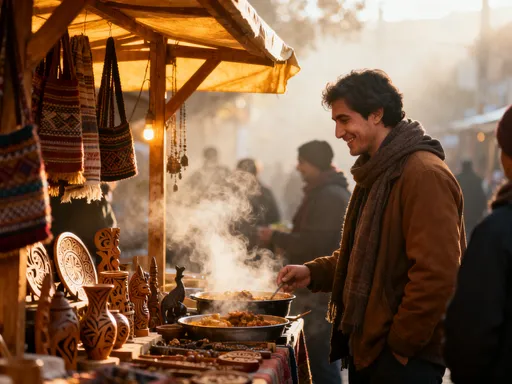
No visit to Da Lat is complete without a walk through its central market, a bustling hub where culture, commerce, and community intersect. Open from early morning until late evening, the market is a sensory immersion. The air carries the earthy scent of mushrooms, the tang of fermented vegetables, and the sweetness of ripe strawberries. Rows of stalls display pyramids of purple yams, baskets of wild ferns, and heaps of golden sunflower seeds. This is not a tourist bazaar selling mass-produced trinkets. It is a working market, where families shop for dinner and farmers sell their harvest.
Every product here tells a story. The purple yams, for instance, are a regional specialty grown in the cool volcanic soil. They are used in both savory stews and sweet desserts, often prepared during family gatherings. The wild ferns, gathered from nearby forests, are stir-fried with garlic or pickled for long-term storage—a practice rooted in the resourcefulness of highland living. Even the cheese sold at one corner of the market has cultural significance. Made by Buddhist monks at a nearby monastery, it reflects the blending of French dairy techniques with Vietnamese monastic life, a quiet legacy of colonial influence adapted to local values.
Beyond food, the market is a showcase of craftsmanship. Vendors display handwoven scarves, carved wooden bowls, and bamboo lanterns—each item shaped by skilled hands using time-honored methods. One elderly woman sits cross-legged beside a stack of embroidered blouses, her fingers moving swiftly as she adds final details. She learned the craft from her mother, who learned it from hers. “This is how we remember who we are,” she says with a soft smile. These goods are not just merchandise. They are vessels of memory, carrying the imprint of generations.
For visitors, shopping here is more than a transaction. It’s an act of connection. When you buy a handwoven bag or a jar of homemade jam, you’re not just acquiring a souvenir. You’re supporting a way of life. Many vendors welcome conversation, happy to explain how a dish is prepared or why a certain flower is used in ancestral offerings. These exchanges, brief as they may be, create moments of genuine human contact—reminders that culture is not something to be observed from a distance, but something to be shared.
Festivals Beyond the Calendar: When the City Comes Alive
In Da Lat, festivals are not just events—they are expressions of collective joy, faith, and identity. The most famous is the Da Lat Flower Festival, held every two years, when the city transforms into a living garden. Floats adorned with thousands of chrysanthemums, marigolds, and orchids glide through the streets, each designed around themes of nature, heritage, and harmony. What makes this festival unique is how it honors local culture. Some floats feature patterns inspired by K’Ho textiles, while others depict scenes from highland farming life. Music fills the air—not just modern pop, but traditional gong ensembles and flute melodies played in indigenous languages.
Equally moving is Tết, the Lunar New Year, celebrated with both Vietnamese national customs and highland variations. In Da Lat, Tết has a distinct character. The cooler weather means families gather around stoves, sipping hot tea and eating steamed rice cakes wrapped in banana leaves. Flower arrangements take on special importance, with homes decorated in pink peach blossoms and yellow apricot blooms—symbols of renewal and prosperity. Some ethnic families also hold private rituals to honor ancestors, lighting incense and offering fruits on simple altars.
What stands out during these celebrations is the openness of the locals. Unlike festivals in some cities that feel staged for tourists, Da Lat’s events invite participation. Visitors are welcomed into dance circles, offered plates of festive food, and encouraged to write wishes on paper lanterns. Children hand out jasmine garlands to strangers, their laughter echoing through the plazas. There’s a sense that joy is meant to be shared, not contained.
These festivals are not merely seasonal highlights. They are acts of cultural resilience. In a world where traditions can fade under the pressure of modernization, Da Lat’s celebrations affirm the value of continuity. They remind both residents and visitors that culture is not static. It evolves, adapts, and finds new ways to express itself—whether through a flower float shaped like a traditional drum or a teenager singing an ancient lullaby with a modern melody.
Cultural Bites: How Food Tells a Story in Every Bite
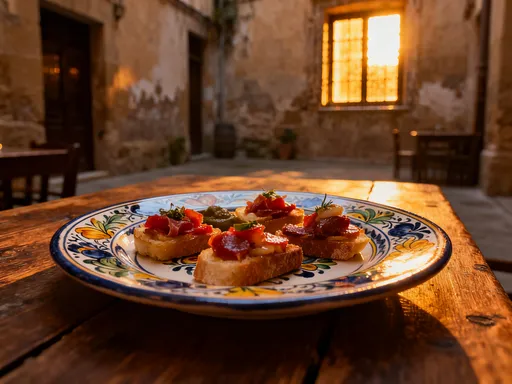
In Da Lat, food is more than sustenance. It is memory, identity, and hospitality all at once. The city’s cool climate allows for a unique agricultural bounty—crisp cabbages, juicy strawberries, earthy shiitake mushrooms, and tender asparagus. These ingredients form the foundation of a cuisine that is simple, fresh, and deeply connected to the seasons. Street vendors, family-run eateries, and night markets all serve dishes that reflect both regional pride and generational habits.
One of the most beloved local specialties is bánh căn, small steamed rice cakes cooked in clay pots over charcoal. The batter, made from rice flour and coconut milk, is poured into round molds and topped with shrimp, quail egg, or green onion. The result is delicate, slightly chewy, and best eaten hot, dipped in a tangy fish sauce with shredded papaya and herbs. Vendors often prepare these in the early morning, their stalls glowing in the mist. For many locals, the smell of bánh căn is inseparable from childhood memories of weekend breakfasts with grandparents.
Another staple is sữa đậu nành, or soy milk, sold by women pushing wooden carts through quiet neighborhoods. Served warm or cold, sweetened with sugar and sometimes thickened with tapioca pearls, it’s a humble drink with deep roots. For older generations, it recalls times of simplicity and resourcefulness, when plant-based proteins were essential. Today, it remains a daily ritual for many families, a quiet comfort passed from one generation to the next.
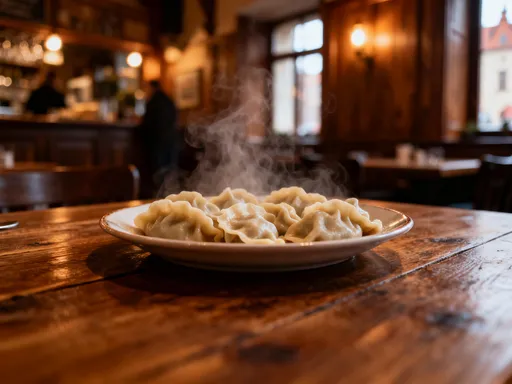
Meals in Da Lat are rarely rushed. Even at small sidewalk tables, people linger, sharing stories over plates of grilled mushrooms or bowls of noodle soup. Food is a bridge—between people, between past and present. When a vendor explains how her pickled vegetables are fermented for three days using a family recipe, or when a grandmother teaches her granddaughter how to fold dumplings just right, culture is being lived, not performed. To eat in Da Lat is to participate in that continuity, one bite at a time.
Art That Grows Here: Murals, Music, and the Young Creative Pulse
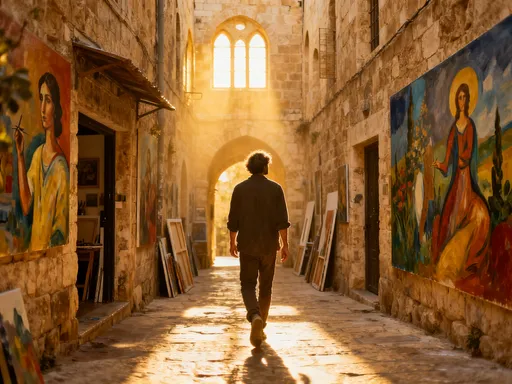
Da Lat’s creative spirit is impossible to miss. Around every corner, art emerges organically—from murals painted on alley walls to impromptu music sessions in quiet courtyards. Unlike cities where art is confined to galleries, here it spills into the streets, shaped by the landscape and the mood of the people. University students, many studying fine arts or music, are at the heart of this movement. They draw inspiration from the misty hills, the colors of the market, and the rhythms of indigenous life, blending them into something fresh and authentic.
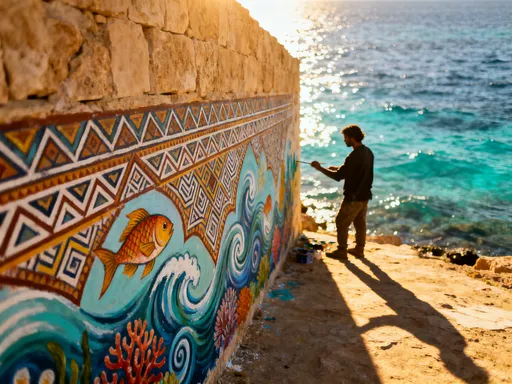
One of the most striking examples is the city’s growing collection of street art. Murals depict everything from blooming lotus flowers to portraits of local elders, their faces lined with wisdom. Some artists incorporate traditional patterns into their designs, creating a visual dialogue between past and present. These works are not commissioned by the city but created independently, often with permission from building owners. They reflect a desire to beautify public space while honoring local identity.
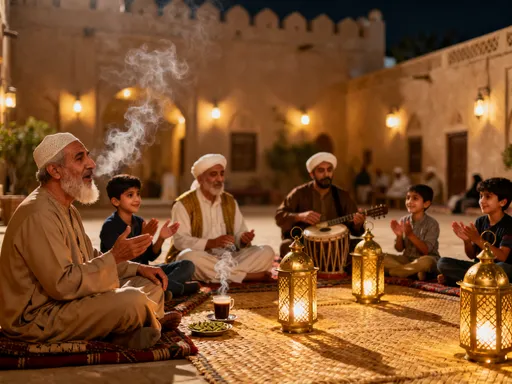
Music, too, is undergoing a quiet renaissance. In small cafes tucked behind flower shops, young musicians gather to play acoustic sets that blend folk melodies with modern harmonies. You might hear a traditional K’Ho flute accompanied by a guitar, or a poem recited over a soft drumbeat. These performances aren’t for profit. They are acts of expression, of keeping culture alive in a language that resonates with younger audiences.
This creative energy doesn’t feel imposed. It grows naturally from the city’s atmosphere—a place where time moves slowly enough to notice details, where mist invites reflection, and where beauty is found in the ordinary. For visitors, engaging with this art scene is a way to see Da Lat through local eyes. It’s a reminder that culture isn’t only preserved in museums. It lives in the hands of a painter, the voice of a singer, the laughter of students sharing a sketchbook under a banyan tree.
Traveling with Respect: How to Engage Without Disrupting
As Da Lat becomes more popular, the need for mindful travel grows more urgent. Cultural tourism, when done well, can support preservation and empower communities. When done poorly, it can erode the very traditions it seeks to celebrate. The difference lies in intention. Travelers who approach Da Lat with humility, curiosity, and respect contribute to a sustainable future for its cultural heritage.
One of the simplest yet most important practices is asking permission. Whether you want to photograph a vendor, enter a communal house, or film a ritual, a polite request shows that you see people as individuals, not props. In many cases, locals will welcome your interest—especially if you take the time to chat and show genuine appreciation. But if someone declines, it’s essential to honor that without argument or disappointment.
Supporting fair-trade crafts is another way to make a positive impact. Instead of buying mass-produced souvenirs from airport shops, seek out cooperatives or village artisans who create handmade goods. Look for signs of authenticity—imperfections in weaving, natural dyes, or stories behind the designs. When possible, purchase directly from the maker. Your choice helps sustain traditional skills and ensures that income stays within the community.
Choosing community-led tours over commercial packages also makes a difference. These tours are often organized by local guides who live in the villages they show visitors. They provide accurate cultural context, translate when needed, and ensure that tourism benefits residents directly. They also help prevent overcrowding and inappropriate behavior by setting respectful guidelines.
Finally, remember that cultural immersion doesn’t require grand gestures. It can be as simple as learning a few words in the local language, trying a dish with an open mind, or sitting quietly in a market to observe daily life. The goal is not to “experience culture” as a checklist item, but to connect—with people, with place, with presence.
Da Lat teaches you to slow down and listen—not just to voices, but to the quiet hum of tradition still thriving in plain sight. It’s a place where culture isn’t performed for tourists; it’s lived. By choosing to engage mindfully, travelers don’t just witness heritage—they help sustain it. The real journey isn’t about ticking boxes. It’s about belonging, even if just for a moment.